Colorado's flexible homeschool laws give you the freedom to design an education that fits your child's interests and pace, while using the state's graduation guidelines as a helpful roadmap for college, career, and whatever comes next. If your learner enjoys hands-on science projects, classic novels, or exploring history through travel, Colorado's homeschooling framework accommodates a wide range of learning styles.
While homeschooling in Colorado is flexible, there are a couple of guidelines to follow. Think of them as tools to help you create a graduation plan that matches your values and your learner's dreams, with the option to add more support whenever you choose.
Outschool helps bring variety and connection to your homeschool routine, offering academic depth and peer interaction while keeping your journey flexible and organized.
Colorado graduation requirements
Homeschooling in Colorado takes a flexible approach to graduation requirements, giving families the freedom to create learning paths that fit their child's goals and pace. There's no state-mandated graduation requirements or diploma for homeschoolers. Parents decide when their teen has completed high school based on family goals and post-secondary plans.
Still, the state has a few foundational homeschool guidelines that keep you aligned with academic readiness.
Foundational guidelines for Colorado homeschoolers
- Provide at least 172 days of instruction each year, averaging four hours per day.
- Cover core subjects such as reading, writing, speaking, mathematics, history, civics, literature, science, and instruction in the U.S. Constitution.
- Keep academic and immunization records, attendance logs, and assessment results.
- Test or evaluate students at grades 3, 5, 7, 9, and 11 to demonstrate progress.
Colorado's homeschool law is also inclusive of learners with special needs and different learning styles. Families can adjust timelines, modify lessons, and choose alternative assessments that match their child's pace and abilities.
How to issue a homeschool diploma in Colorado
One of the most rewarding milestones for homeschooling families is presenting a diploma that represents years of hard work and growth. In Colorado, parents have full authority to issue a homeschool diploma once their learner has met the goals and requirements you've set. This diploma can be used for college admissions, employment, or other postsecondary opportunities.
Here's how to make the process simple:
- Create your own diploma - You can design and print your learner's diploma at home or order one from a homeschool organization. Include the graduate's name, date, and your signature as the administrator of your homeschool.
- Include a transcript - Pair the diploma with a detailed transcript listing courses completed, grades or assessments, and any extracurricular or community projects.
- Add a personal touch - Host a small ceremony or celebration that recognizes your learner's unique achievements and reflects your family's values.
- Consider optional verification - Some families choose to notarize the diploma or work with umbrella schools that can co-sign it, adding an extra layer of documentation for colleges or employers.
Issuing a diploma is a proud moment. It's your chance to honor both your learner's academic journey and the personalized education you've built together.
$20 off your first class WITH promo code: blog
Build the Education your Kid Deserves
Discover thousands of live classes taught by expert teachers, across academics and enrichment.
Browse classesHow to document and track progress toward graduation
Keeping track of your learner’s journey is one of the most meaningful parts of homeschooling. Documenting progress creates a record of growth, curiosity, and accomplishment. A clear, well-maintained portfolio can support future opportunities, such as college admissions or scholarships, while giving your child a sense of pride in their achievements.
Here are some practical ways to build strong records that reflect your learner’s hard work and creativity:
- Keep essential records- Maintain attendance logs showing 172 days of instruction and include immunization documentation to stay organized and compliant.
- Track assessments thoughtfully- Plan for evaluations in grades 3, 5, 7, 9, and 11 by choosing standardized tests or qualified evaluators who can highlight your learner’s progress and strengths.
- Build a meaningful portfolio- Create digital collections with photos, essays, videos, and project samples that capture learning in action and show real-world application of skills.
- Celebrate progress together- Schedule regular check-ins with your learner to reflect on accomplishments, set new goals, and talk about what excites them next.
- Use digital tools to simplify- Try record-keeping platforms that help organize attendance, track grades, and even create transcripts automatically, so you can focus more on learning, not paperwork.
- Document real-world learning- Record online classes, field trips, volunteer work, and community projects that showcase your child’s curiosity and engagement beyond textbooks.
Thoughtful recordkeeping helps you see just how far your learner has come and ensures that every milestone, big or small, is part of a meaningful story of growth and success.
Colorado graduation requirements: Frequently asked questions (FAQs)
Homeschooling families in Colorado often wonder what high school graduation really requires. These straightforward answers will help you stay confident, organized, and on track as your learner moves toward graduation.
What are the specific graduation requirements for homeschoolers in Colorado?
Colorado gives homeschool families a lot of freedom. There are no set state graduation requirements. You decide when your teen has completed high school. Families must provide at least 172 days of instruction per year, averaging four hours a day, and cover the core subjects: reading, writing, math, science, history, civics, literature, and the U.S. Constitution. Beyond that, you can design graduation standards that align with your child’s goals and interests.
How can families document progress toward Colorado high school graduation?
Maintaining detailed records is your key to demonstrating progress and readiness for the next chapter. Colorado law requires you to keep attendance records, assessment results from required testing in grades 3, 5, 7, 9, and 11, and immunization records. Creating transcripts with course descriptions and grades, as well as documenting real-world experiences such as field trips and community projects, builds a comprehensive portfolio that showcases achievements and growth.
How do homeschoolers track attendance and coursework in Colorado?
Most homeschool families keep a simple system that works best for them. There’s no one required format. You can record attendance using a calendar or spreadsheet to show the 172 instructional days each year. For coursework, keep a running list of subjects, lesson plans, and completed projects. Many parents also create transcripts and portfolios that include grades, essays, photos, and certificates.
What pathways exist for earning a high school diploma in Colorado as a homeschool student?
Colorado offers several diploma pathways for homeschoolers. You can issue a parent-created diploma when your child meets the graduation requirements you've established, or students can pursue a GED or High School Equivalency (HSE) credential. Some families choose to enroll through an independent school, which can issue diplomas and may offer different approaches to record-keeping and assessment requirements.
How can families adapt graduation requirements for learners with special needs or unique learning profiles?
Colorado's homeschool framework naturally accommodates diverse learners and learning styles. You can adapt graduation timelines, modify assessment methods, and create individualized learning goals that celebrate your child's unique strengths while making sure they're prepared for their chosen post-secondary path.
Charting a confident future together
Homeschooling opens up a world of possibilities where you get to design an education that truly fits your learner's unique needs, interests, and dreams. With homeschooling growing in Colorado, you're joining a thriving community of families who've chosen flexibility and personalization over one-size-fits-all approaches. The state provides the framework, but you're the one who brings it to life in ways that make sense for your family.
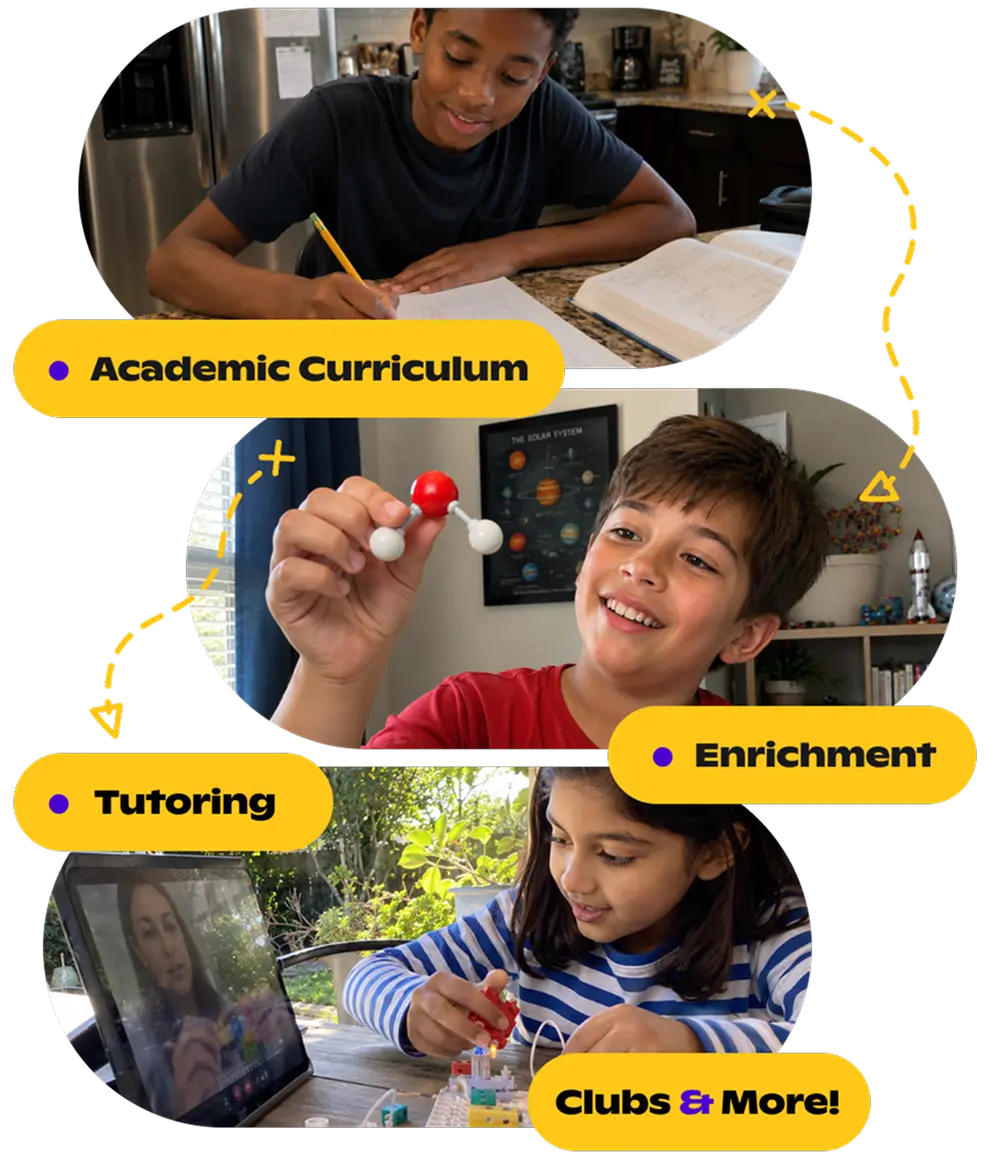
As you look ahead, remember that you’re not doing this alone. Outschool’s live classes, tutoring, and project-based learning options are here to make that journey easier and more inspiring. They offer the extra structure, community, and encouragement that keep your learner motivated, so when graduation day comes, both of you can look back proudly on a journey built with care, curiosity, and confidence.



.svg)
.svg)