Low-stimulation activities provide a powerful way to support autistic children in a homeschool setting. Traditional learning environments are often overwhelmed with noise, visual clutter, and unpredictable class behaviors or actions, making it harder for autistic learners to focus and grow. Creating calm, sensory-aware experiences at home gives your child the space to learn at their own pace while building the confidence that comes from feeling comfortable in your environment and ready to learn.
These approaches provide more than calmness. They encourage genuine connection, academic progress, and emotional resilience in safe and sustainable ways for your child. Families who incorporate sensory-friendly routines and predictable learning experiences often see their children develop stronger skills and a deeper enjoyment of learning. At Outschool, low-stimulation activities are essential for empowering neurodiverse learners and helping them thrive.
Why low-stimulation activities matter for autistic learners at home
When your child's nervous system feels overwhelmed, learning becomes challenging. Low-stimulation activities reduce sensory input that triggers fight-or-flight responses in autistic learners, allowing their brains to process information more effectively. Choosing quieter, less chaotic activities helps your autistic child's emotional regulation system find balance.
The benefits of low-stimulation activities extend beyond calmness. They build the neurological foundation for deeper learning. Minimizing distractions enhances working memory and attention spans, enabling your child to engage with academic content from a place of curiosity. Homeschooling allows you to tailor the learning environment to your child's sensory needs, integrating low-stimulation principles into daily routines for optimal learning.
How low-stimulation activities support learning and well-being
Low-stimulation activities create the right conditions for learning and growth by reducing sensory overload and allowing children to focus more fully. These calming approaches strengthen executive function skills, support emotional regulation, and build confidence, all of which help autistic learners academically and socially thrive.
- Strengthen executive function skills: Calm activities free up brain energy for planning, focusing, and completing tasks. When your child learns in a low-stimulation environment, their brain can build stronger memory pathways and practice persistence without causing nervous system burnout.
- Boost self-confidence through calm success: Gentle, predictable activities let children move at their own pace. This approach helps them experience genuine success without the pressure of rigid timelines or comparing themselves to peers.
- Encourage positive associations with learning: Low-stimulation activities make learning feel safe and enjoyable by slowing the pace and reducing stress. Children begin to link educational experiences with curiosity, which increases their willingness to tackle new challenges and persevere through difficulties.
- Support whole-child development: These activities nurture more than academics. Research on play therapy shows that structured, calming interactions build social skills such as negotiation, sharing, and decision-making.
- Create a balanced foundation for thriving: Weaving calming, sensory-aware activities into your homeschool routine allows academic, social, and emotional growth to develop together. This balanced approach supports your child’s overall well-being and helps them feel prepared to take on new opportunities with resilience.
Low-stimulation activities do more than create moments of calm; they provide a foundation for lasting growth. By giving your child the space to focus, succeed at their own pace, and practice essential social and emotional skills, you’re nurturing their confidence and capacity to learn.
Top low-stimulation activities for autistic children at home
Finding the best low-stimulation activities for autistic children at home often involves selecting engaging experiences that do not overwhelm them. These activities provide enough sensory input to maintain interest while keeping your child's nervous system calm and regulated, creating the perfect foundation for deeper learning.
- Sorting colored beans or buttons: Provide a small tray of beans or buttons in different shades. Ask your child to group them by size or color.
- Gentle garden walks: Take slow, quiet strolls in the garden or backyard. Pause to notice flowers, touch smooth leaves, or listen to birds.
- Clay or playdough molding: Offer soft clay, putty, or sculpting materials and encourage your child or teen to mold and shape them for calm, tactile focus.
- Listening to instrumental music while journaling: Play soft, wordless music and invite your child to write, doodle, or reflect in a quiet journal. This can provide both emotional regulation and gentle self-expression.
- Guided deep breathing or stretching: Encourage your child to try slow breathing exercises or light yoga stretches in a calm corner of the room.
- Minimalist craft projects: Create simple crafts using materials like yarn, beads, or soft felt. Keep the steps short and soothing, focusing on repetition and tactile engagement rather than perfection.
These calming activities naturally prepare your child's mind for more structured learning experiences, whether working through academic concepts, exploring creative interests, or developing social skills in supportive environments.
$20 off your first class WITH promo code: blog
Build the Education your Kid Deserves
Discover thousands of live classes taught by expert teachers, across academics and enrichment.
Browse classesSetting up a calm, sensory-friendly homeschool environment
Creating a calm learning environment for autistic kids starts with understanding that many individuals with autism have sensory processing differences that directly impact their ability to focus and learn. Your physical space becomes a powerful tool for supporting your child's nervous system and academic success.
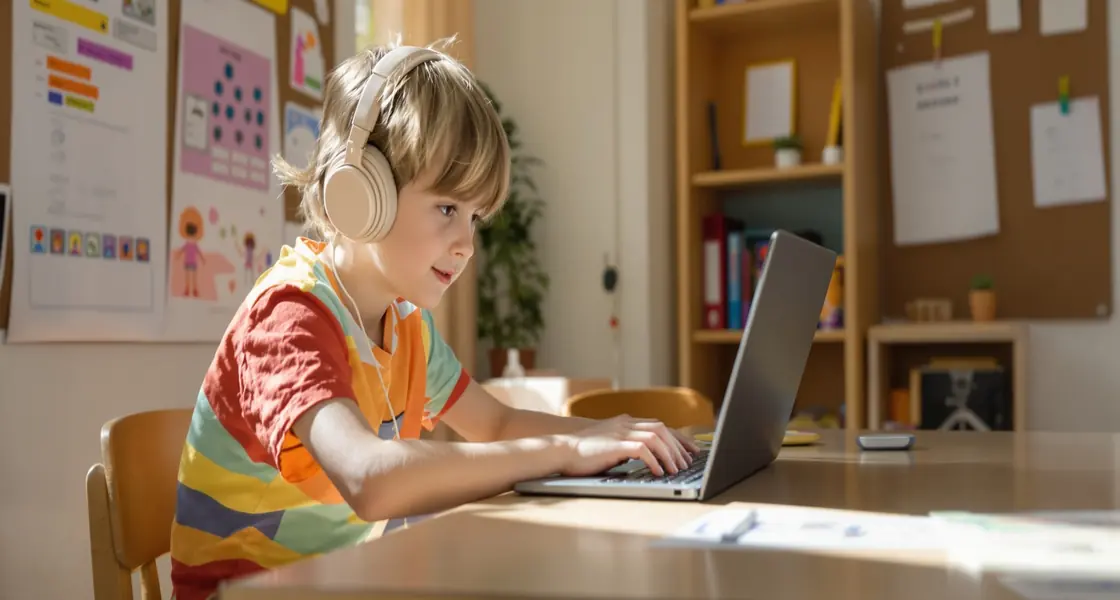
- Design a dedicated learning zone: If possible, choose one area of your home for learning. Keep materials in consistent places, use soft natural lighting or adjustable lamps, and avoid busy patterns or overwhelming decorations on the walls.
- Integrate sensory supports: Offer tools that help regulate the senses. Noise-canceling headphones can soften overwhelming sounds, weighted lap pads provide calming pressure, and small fidget tools within reach give your child something to channel their energy while staying engaged in lessons.
- Choose furniture that supports regulation: The proper seating and desks can make all the difference. Bean bags or rocking chairs allow for gentle movement, adjustable-height desks support different working positions, and soft, comfortable textures help create a space that feels safe rather than irritating.
- Establish visual predictability: Provide clear cues for what’s happening throughout the day. Picture schedules, labeled storage systems with materials in designated spots, and gentle transition warnings give your child a sense of control and ease around changes.
- Create retreat spaces: Include a quiet corner or small area where your child can step away when things feel overwhelming. This might be a cozy nook with pillows, a small tent, or a chair for practicing deep breathing, a safe spot for calming down without leaving the learning environment completely.
Remember that your child's sensory needs may change throughout the day or as they grow. Building flexibility into your sensory-friendly setup allows you to adjust lighting, seating, or background sounds as needed to maintain the optimal state of focused calm in which learning naturally flourishes.
Frequently asked questions about low-simulation activities at home
Many parents have practical questions about implementing sensory-friendly learning approaches in their homeschool environment. These frequently asked questions about low stimulation activities for autistic homeschoolers address common concerns and can help you feel more confident as you create the best learning experience for your child.
What are some signs that an activity is too stimulating for my child?
Watch for physical cues, such as covering ears, squinting, or moving away from the activity, as well as behavioral changes, including increased fidgeting, difficulty following directions, or sudden emotional outbursts. Since many individuals with autism experience sensory processing challenges, these reactions often signal that your child's nervous system is becoming overwhelmed. When you notice these signs, it's time to pause the activity and offer a calming break or transition to something gentler.
How can I adapt low stimulation activities as my child grows or their needs change?
Start by observing which aspects of current activities work well and gradually modify one element at a time, such as increasing the duration, adding a new material, or introducing a slight challenge. Your child’s sensory preferences may shift with hormonal changes, stress levels, or new interests, so staying flexible and checking in regularly helps you adjust accordingly. Keep a simple log of what works and what doesn't to track patterns and make informed decisions about enhancing sensory integration as your child develops.
How do I balance academic learning with sensory needs in a homeschool setting?
Integrate sensory breaks naturally into your learning rhythm rather than treating them as separate from academics, such as using fidget tools during reading time or incorporating movement into math lessons. Research shows that sensory-friendly environments can improve focus and reduce anxiety, making academic learning more effective when sensory needs are addressed proactively.
Empowering your homeschool journey
Low-stimulation activities at home provide autistic children with a stable foundation for growth, creating an environment where focus, confidence, and overall well-being can flourish. As your child develops, finding additional learning opportunities in supportive environments can further extend their progress and help them build meaningful connections with others.
Specialized online classes designed for neurodiverse learners create a calm, structured atmosphere that mirrors the sensory-friendly environment you’ve built at home. These options allow your teen to explore interests, strengthen academic skills, and connect with peers in a safe and empowering way. At Outschool, we offer classes created for neurodiverse learners that complement homeschooling with personalized, supportive experiences.


.svg)
.svg)