Worksheets ask kids to color the longer crayon. Real measurement asks them to argue about whether the couch is six shoes or seven, then check.
That argument is the math. Length, weight, and volume all start with comparing, then repeating a unit, then (later) using a ruler, scale, or measuring cup. You can do the first two stages with stuff already in the kitchen.
This guide is for preschool through fifth grade. No printable packet. A few paperclips, a string, a bag of rice, and a mixing bowl will get you further than a 20-page workbook.
Why hands-on measurement beats coloring the longer line
Kids often treat a ruler as a magic stick with numbers. They line it up wrong, count the hash marks instead of the spaces, or start at 1 instead of 0. That is not a personality flaw. They skipped the stage where a unit has to be the same size, laid end to end, with no gaps.
Clements, Barrett, Sarama, Cullen, and Van Dine mapped how early length understanding grows: kids move from direct comparison, to using informal units, to connecting those units to number, and only then to standard tools. [1] Weight and volume follow a similar path. Compare first. Then iterate a unit. Then name the unit in inches, pounds, or cups.
If you want more kitchen-table math that is not a drill sheet, math manipulatives by concept pairs well with these activities. Place value games help once they start recording numbers from a ruler.
Length activities (no ruler required at first)
Same or different: body-part measuring
Pick two things in the room. Ask, "Which is longer?" Then check with a hand span, a foot, or a piece of string. The string is the star here because you can hold it against both objects.
Watch for: they "measure" by placing a hand anywhere, not along the longest side. Show the attribute. Length is the long way, not the diagonal unless you mean the diagonal.
Paperclip trains
Measure a book with paperclips laid end to end. Count. Measure the same book with crayons. The counts will not match. That is the lesson: the unit size changes the number.
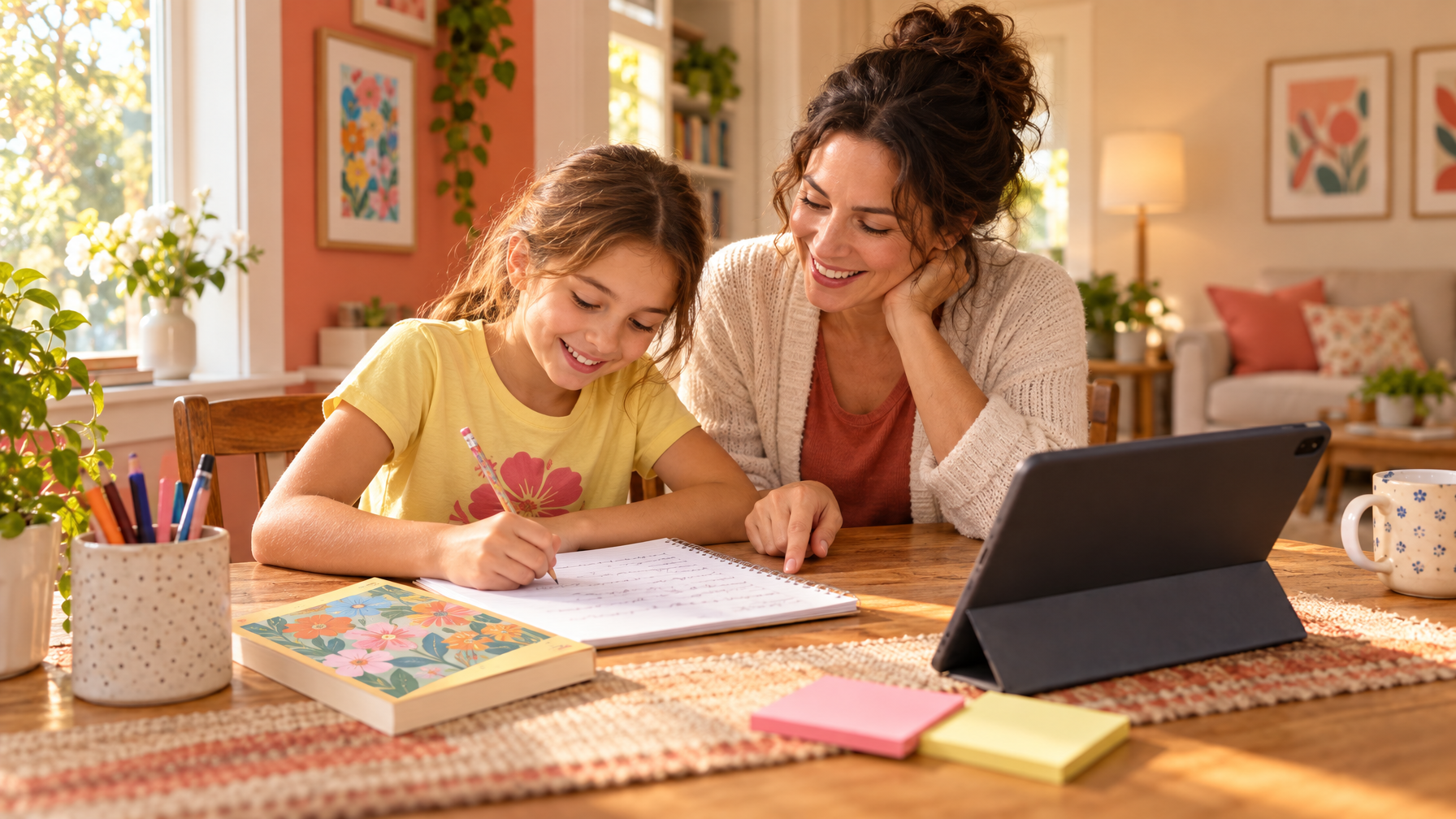
Write both numbers on a sticky note. Ask why 8 crayons and 21 paperclips can both be right.
String vs. path
Kids will measure a curved path (a jump rope on the floor) with a ruler held in a straight line and get a number that feels wrong. Use yarn. Lay it on the path, mark, then straighten the yarn against a meter stick or a tape measure. Now the curve has a length they can trust.
When to bring out the ruler
After they can line up identical units with no gaps. Then introduce inches or centimeters as "paperclips that someone already agreed on." Start at 0. Count the spaces, not the marks.
Weight activities (a hanger can be a scale)
Heavier / lighter with two hands
Put a potato in one hand and an empty mug in the other. Guess, then swap. Body sense comes before numbers.
Hanger balance
Hang a clothes hanger from a doorframe with string. Clip a paper cup on each side with clothespins. Add dry beans until it levels. You have a pan balance.
Challenges:
Kitchen scale as a later tool
Once comparing is easy, weigh the same apple in grams and in ounces. The number changes, the apple does not. Same idea as paperclips vs. crayons.
Volume activities (the sink is the lab)
Volume is how much space something holds. Kids confuse it with height ("the tall glass has more") until they pour.
The conservation pour
Fill a short wide container. Pour into a tall thin one. Ask if the amount of water changed. A lot of kids will say the tall one has more. Pour back. Repeat until the argument gets boring, which is how you know the idea stuck.
How many scoops?
Use one measuring cup or a yogurt cup as the unit. How many scoops fill the mixing bowl? The pitcher? The mug? Record the numbers. Bigger container, more scoops, if the scoop stays the same.
Displacement for the kid who loves sinking things
Fill a clear pitcher partway and mark the water line with tape. Add a rock. The line rises. That rise is the rock's volume, even though the rock is not a liquid. This is the cleanest "aha" in the whole set. Do it in the sink.
$20 off your first class WITH promo code: blog
Build the Education your Kid Deserves
Discover thousands of live classes taught by expert teachers, across academics and enrichment.
Browse classesA one-week plan without a packet
Fifteen minutes a day. Repeat if a day goes sideways.
- Monday: length comparisons with string (five objects).
- Tuesday: paperclip trains on two books, two units.
- Wednesday: hanger balance, beans vs. fruit.
- Thursday: scoop-and-fill volume in the sink.
- Friday: pick one tool (ruler, kitchen scale, or measuring cup) and remeasure something from earlier in the week.
Friday is the bridge to standard units. Do not skip the first four days to get there faster.
Grade-band notes
Preschool and kindergarten. Stay on heavier/lighter and longer/shorter. Counting the units is optional.
First and second grade. Informal units with no gaps. Start a ruler only if they can explain why the number of paperclips changed when the unit changed.
Third through fifth grade. Standard units, conversions as "same amount, different unit name," and area or volume as arrays of units. Keep the pour and the hanger. Older kids still mess up starting at 1 on a ruler.
What to watch for
- Gaps between units (the count is then fiction).
- Starting the ruler at 1.
- Calling a tall container "more" without pouring.
- Mixing length language with weight ("this box is longer so it's heavier").
- Worksheets that ask them to color pictures of rulers. That does not fix a lining-up problem.
When a live class helps
Some kids want a teacher to set the challenge and a few peers to compare answers with. Live math classes and science classes both host measurement labs without you running the sink. If you are building a broader elementary math year, keep multiplication facts practice in the mix once they are recording measurements as numbers they need to compute with.
ESA and similar funds often cover live classes. Start with the ESA state-by-state guide if you are checking receipts.
FAQ
Do we need a curriculum for measurement?
Not for these concepts. You need repeated comparison and a consistent unit. A boxed math program can add practice later.
Metric or customary?
Use whatever your state materials use, then show the other as a second unit on the same object. The idea is the unit, not the flag.
My kid rushes and guesses.
Make them write the guess, then measure. The sticky note is the accountability. No extra worksheet required.
Is this science or math?
Both. Measuring a plant's height is science context with math structure. Keep the attribute clear so the numbers mean something.
Put the packet away
Pick one activity tonight. String and two toys is enough. Tomorrow, add a unit they can count.
When they want a live lab with other kids, browse math classes on Outschool.
Sources
[1] Clements, D. H., Barrett, J. E., Sarama, J., Cullen, C. J., & Van Dine, D. W. Related learning-trajectory research on early length measurement, including "Testing a theoretical assumption of a learning-trajectories approach." AERA Open, 2021. https://journals.sagepub.com/doi/10.1177/23328584211026657



.svg)
.svg)