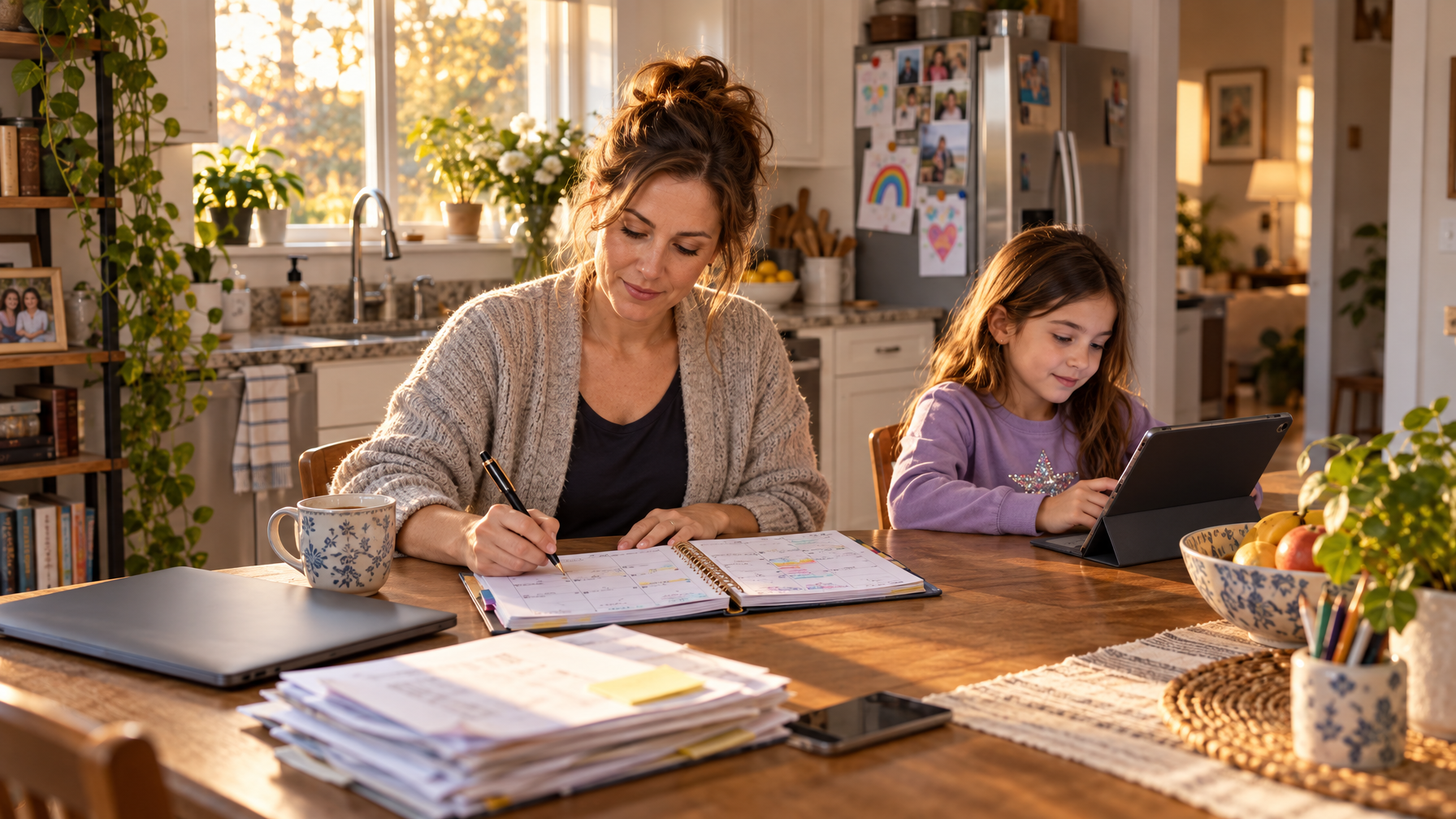
Pennsylvania is home to a thriving homeschool community, with thousands of families choosing to educate their children at home each year. While the Keystone State has more requirements than some, understanding the process makes it manageable, and the flexibility you gain is worth it.
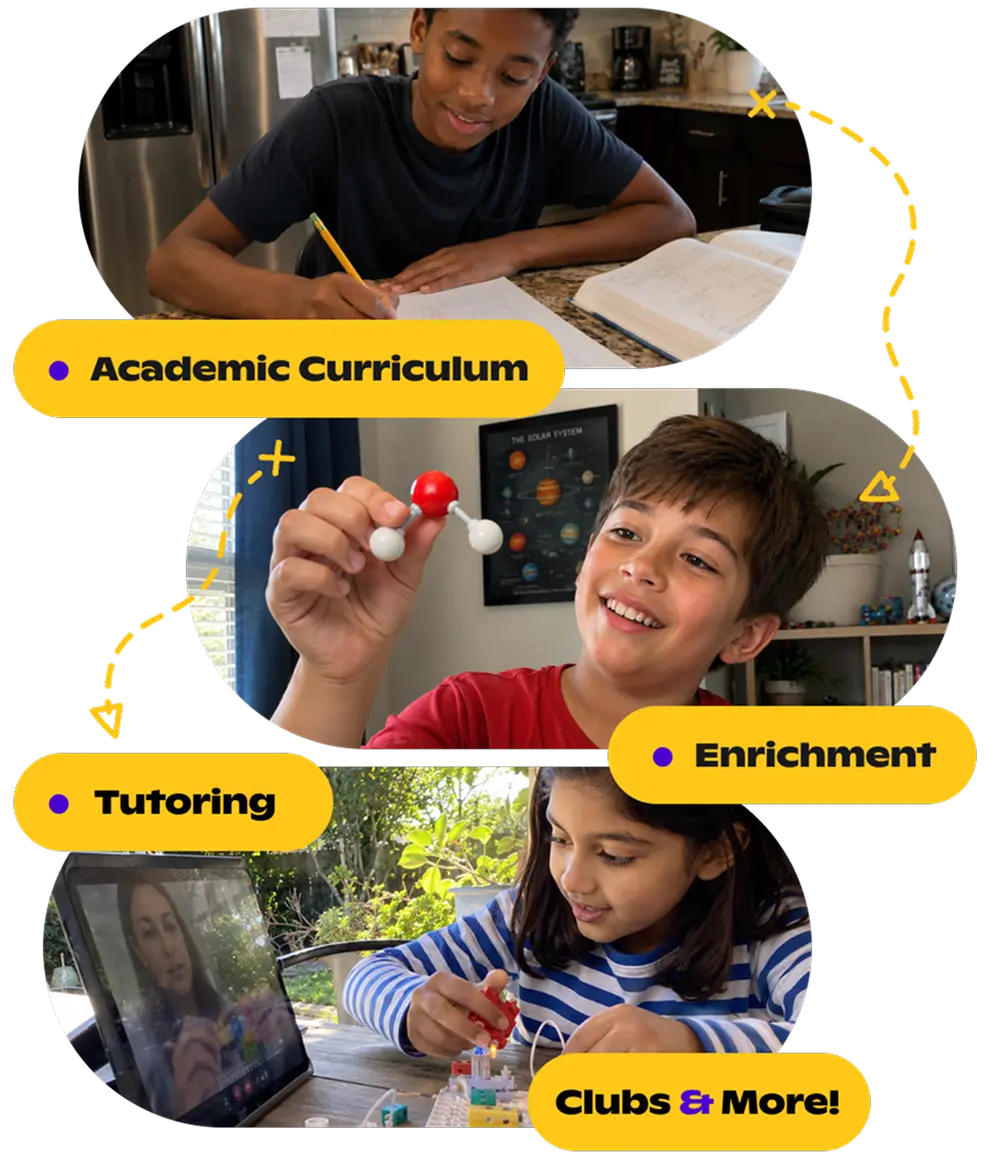
And if you’re looking for flexible ways to enrich your child's learning, explore Outschool's live online classes, all taught by experienced educators. Perfect for supplementing your homeschool curriculum or outsourcing tricky subjects.
Is homeschooling legal in Pennsylvania?
Yes, homeschooling is legal in Pennsylvania and has been formally recognized since 1988. The state provides several pathways for families to educate their children at home, with the most popular being the home education program under Act 169 of the Pennsylvania School Code.
Pennsylvania requires all children ages 6 to 18 to be in school, and a child who turns six by September 1 counts as school-age for that year. Homeschooling is one of the approved ways to meet this requirement, giving families flexibility in how they guide their child’s learning.
Homeschool options in Pennsylvania
Pennsylvania offers four legal pathways to homeschool your child. Each option has different requirements, so it's worth understanding what each involves before deciding which works best for your family.
Home education program (Act 169)
This is the most common choice for Pennsylvania homeschoolers. Under this option, a parent, guardian, or legal custodian serves as the "supervisor" of the home education program. The supervisor must have a high school diploma or equivalent.
You'll file paperwork directly with your local school district and maintain records of your child's education throughout the year. This option gives you the most flexibility in choosing curriculum and teaching methods.
Private tutor
If you prefer to have someone else handle instruction, you can use a private tutor who holds a valid Pennsylvania teaching certificate. The tutor must provide the majority of instruction and file their certification and criminal history record with the school district superintendent.
Religious day school satellite
Families can enroll their children in an extension or satellite of a religious day school. The school handles reporting requirements, and your home functions as an extension of their program.
Accredited day school satellite
Similar to the religious option, you can enroll your child in a satellite of a day or boarding school that's accredited by an organization approved by the State Board of Education.
Pennsylvania homeschool requirements
Understanding Pennsylvania's documentation requirements is key to a smooth homeschool experience. While it may seem like a lot at first glance, most families find that it becomes routine once they get the hang of it.
Filing your affidavit
Before you begin homeschooling (and by August 1 each year after), you must submit a notarized affidavit or unsworn declaration to your school district superintendent. This document includes:
- Your name as the supervisor
- Names and ages of each child in the program
- Your address and phone number
- Confirmation that you have a high school diploma or equivalent
- Educational objectives for each child by subject area
- Evidence of immunizations or exemption
Many school districts provide their own forms, so check with your local district office for specific requirements.
Required subjects
Pennsylvania law specifies subjects that must be included in your home education program. At the elementary level (grades K–6), these include:
- English (including spelling, reading, and writing)
- Mathematics
- Science
- Geography
- History of the United States and Pennsylvania
- Civics
- Health
- Physical education
- Music
- Art
- Safety education, including fire prevention.
At the secondary level (grades 7–12), you'll add algebra, geometry, and world history, and continue with the other core subjects.
Keeping a portfolio and log
Throughout the year, you're required to maintain a portfolio of your child's work and a log of educational activities. Your portfolio should include:
- A log of reading materials used
- Samples of work from each subject area
- Standardized test results (for grades 3, 5, and 8)
Your log should show that your child completed either 180 days of instruction or the required hours: 900 hours for elementary students and 990 hours for secondary students.
Standardized testing
Students in grades 3, 5, and 8 must take standardized tests in reading/language arts and mathematics. You can choose the Pennsylvania System of School Assessment (PSSA) or a nationally normed standardized test. Results become part of your portfolio but don't determine whether your child "passes"; they simply document progress.
Annual evaluation
By June 30 each year, you must have your child's portfolio reviewed by a qualified evaluator who will certify that an appropriate education is taking place. Evaluators can include:
- A licensed clinical or school psychologist
- A teacher certified by the Commonwealth of Pennsylvania
- A nonpublic school teacher or administrator with at least two years of teaching experience
The evaluator reviews your portfolio, interviews your child, and writes a certification letter that you submit to your school district.
How to start homeschooling in Pennsylvania
Ready to begin? Here's a step-by-step overview of the process to get your homeschool up and running in Pennsylvania.
Step 1: Notify your school district
Prepare and submit your notarized affidavit to your school district superintendent. Include your educational objectives for each child. If your child is currently enrolled in school, you'll also want to formally withdraw them.
Step 2: Plan your curriculum
Choose curriculum and materials that cover Pennsylvania's required subjects. You have complete freedom in selecting how to teach each subject, whether through textbooks, online programs, hands-on projects, or a mix of approaches.
Step 3: Set up your record-keeping system
Create a system for maintaining your portfolio and log from day one. Many families use binders, digital folders, or planning apps to stay organized throughout the year.
Step 4: Connect with your homeschool community
Pennsylvania has an active network of homeschool groups, co-ops, and support organizations. Connecting with other families can provide encouragement, resources, and socialization opportunities for your children.
Step 5: Schedule your evaluation
Before the end of the school year, arrange for a qualified evaluator to review your portfolio. Many evaluators book up quickly, so it's wise to schedule early.
Public funding options for homeschoolers in Pennsylvania
Pennsylvania does not currently offer an Education Savings Account (ESA) program for homeschoolers, so families generally cover curriculum and materials out of pocket. However, there are several programs and opportunities that can help offset costs or expand learning options:
- Educational Improvement Tax Credit (EITC) scholarships: The EITC program allows businesses to receive tax credits for donations to approved scholarship organizations. Some of these organizations provide scholarships that homeschool families may qualify for, particularly for educational services, tutoring, or supplemental programs. Eligibility and availability vary by organization, so it's worth researching options in your area.
- Dual enrollment: Pennsylvania homeschoolers can take college courses while still in high school through dual enrollment programs. Many Pennsylvania colleges, including Penn State, York College, and Pennsylvania College of Technology, welcome homeschool students. Some programs offer reduced tuition, and Penn College's dual enrollment is tuition-free for partnered students. Credits count toward both high school and college, giving students a head start on higher education.
- Special education services: If your child has special needs and an existing IEP, you can request that the school district continue providing services. However, services must be provided at a public school or licensed private facility, not in your home. If you prefer to handle special education independently, you'll need your educational objectives approved by a certified special education teacher or licensed psychologist. Contact your local district's special education office to learn what's available.
- Extracurricular activities and co-curricular courses: Pennsylvania law now requires school districts to allow homeschoolers to participate in extracurricular activities like sports, clubs, musical ensembles, and theatrical productions on the same basis as enrolled students. Districts must also permit homeschoolers to take co-curricular courses (activities that merge extracurricular participation with academic credit, like band or orchestra) and academic courses up to one quarter of the school day. Contact your resident district to learn about their specific policies and enrollment procedures.
- Curriculum and textbook lending: Pennsylvania law allows homeschool families to request copies of their school district's planned courses, textbooks, and curriculum materials appropriate to their child's age and grade level. While not all districts actively promote this service, it can be a helpful way to access resources at no cost.
Homeschool groups, co-ops, and support in Pennsylvania
Connecting with other homeschooling families is one of the best ways to find support, share resources, and create social opportunities for your children. Pennsylvania has a wide range of organizations to fit different needs and philosophies.
Statewide organizations
Pennsylvania Home Education Network (PHEN) is an inclusive statewide organization that promotes homeschool freedom and provides information and support to families regardless of educational philosophy. Membership is open to all Pennsylvania residents.
Pennsylvania Homeschoolers Accreditation Agency (PHAA) offers diploma programs, evaluator listings, and resources for families navigating the homeschool process.
Regional and local groups
Pennsylvania has numerous regional groups that welcome families of all backgrounds:
- Butler Home Education Network- An inclusive, secular co-op serving Butler County and surrounding areas with field trips, events, and seasonal classes.
- Peak Academy for Community Learning- A secular, inclusive co-op in Northeast Pennsylvania offering weekly classes, clubs, and activities from September through May.
- Mt. Airy Homeschooling Co-op- A diverse, secular, and inclusive co-op in the Philadelphia area providing classes and activities in a welcoming environment.
- Rising Roots Secular Homeschool Cooperative- Creates a supportive space for homeschool families of all backgrounds with a commitment to inclusion.
- Franklin & Cumberland County Secular Homeschoolers- A support group for local secular homeschoolers with meet-ups, activities, and field trips.
Many additional groups exist throughout the state. Searching for homeschool groups in your specific county can help you find the community that's the best fit for your family.
Homeschooling in Pennsylvania: Frequently asked questions (FAQs)
Do I need a teaching degree to homeschool in Pennsylvania?
No. To supervise a home education program, you only need a high school diploma or equivalent. Teaching certification is not required.
Can I homeschool my child with special needs?
Yes. If your child has an IEP, you'll need your educational objectives approved by someone qualified in special education, such as a certified special education teacher or licensed psychologist. You can request services from your school district, though they're provided at school facilities rather than in your home.
What standardized tests are accepted in Pennsylvania?
Students in grades 3, 5, and 8 can take the PSSA or any nationally normed standardized achievement test. Popular options include the Iowa Test of Basic Skills, Stanford Achievement Test, and California Achievement Test.
Can my homeschooled child play sports at the local public school?
Yes. Pennsylvania law now requires school districts to allow homeschoolers to participate in extracurricular activities, including sports, on the same basis as enrolled students. Contact your school district for specific enrollment procedures.
How do homeschoolers get a diploma in Pennsylvania?
Pennsylvania does not issue diplomas to homeschoolers, but parents can issue a parent-signed diploma. Alternatively, organizations like PHAA offer accredited diploma programs for students who complete specific requirements.
What happens if I don't submit my paperwork on time?
Missing deadlines can result in the school district requesting an evaluation or, in serious cases, holding a hearing. Consistent communication with your district and staying on top of deadlines helps avoid complications.
Homeschooling in Pennsylvania made easy
Homeschooling in Pennsylvania gives families the freedom to tailor education to their child's unique needs while meeting the state's academic requirements. Yes, there's paperwork involved, but once you understand the process, it becomes a natural part of your routine.
The key to success is staying organized, connecting with your local homeschool community, and finding curriculum and resources that work for your family's style. Whether you prefer structured textbook learning, hands-on projects, or a mix of everything, Pennsylvania's flexible framework supports your approach.
If you’d like extra support, Outschool makes it simple to add live, small-group classes to your homeschool plan. From math and science to art, music, and beyond, you can find engaging options that cover Pennsylvania’s required subjects while sparking your child’s curiosity.



.svg)
.svg)