Homeschooling a gifted learner can be exciting, rewarding, and sometimes a little overwhelming. When your child races ahead in one subject or shows deep curiosity about a particular topic, keeping up often means finding the right mix of advanced materials, enrichment programs, and creative outlets. Those opportunities can come with added costs.
With the right resources, you can create a learning plan that challenges your child without stretching your budget. Platforms like Outschool make it even easier to build a well-rounded homeschool experience, offering classes that help gifted learners explore advanced topics and new interests at their own pace.
Why funding matters for gifted homeschoolers
Supporting a gifted child’s education often means going beyond standard materials to keep lessons challenging and engaging. Access to funding allows you to support your child’s learning and take advantage of a wide range of opportunities.
Here are some of the most common expenses families encounter when homeschooling gifted learners:
- Advanced curriculum and materials: From college-level textbooks to online science labs, gifted learners often need more in-depth resources that go beyond standard grade-level content.
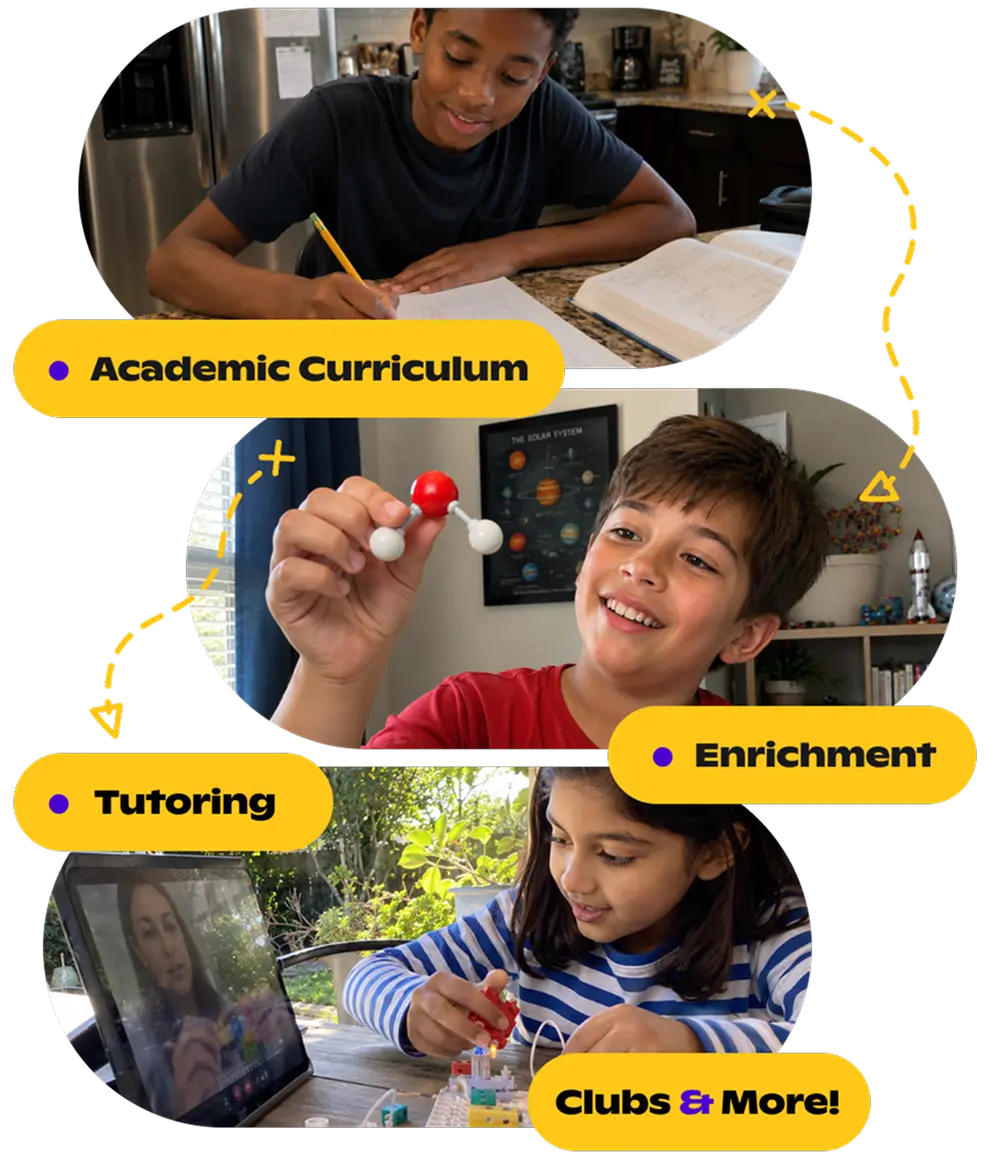
- Tutoring or mentorship programs: Personalized guidance from subject experts or mentors helps gifted students deepen their knowledge in areas of high interest.
- Specialized enrichment courses: Music, art, robotics, creative writing, and coding programs help gifted children develop both academic and creative strengths.
- Competitions and academic clubs: Participation in math leagues, debate teams, or science fairs provides new challenges and opportunities for growth.
- Technology and learning tools: Software, laptops, and online platforms designed for advanced learners make it easier to access higher-level coursework.
- Testing and evaluations: Some grants or programs require aptitude assessments, which can be an additional cost for families.
These investments help gifted children stay motivated and engaged, but they can add up quickly. That’s where grants, scholarships, and other funding options come in, making it possible to create a rich, stimulating homeschool experience that matches your child’s abilities and interests.
Private and nonprofit grants for gifted homeschoolers
Several organizations offer scholarships and funding that can support advanced learners. Some provide help for curriculum and enrichment, while others award major scholarships for extraordinary achievement. Each of these opportunities can ease financial pressure while helping your gifted child reach their full potential.
| Grant/Program |
What it covers |
Eligibility |
How to apply / deadlines |
| HSLDA Compassion Curriculum Grants |
Helps low-income homeschooling families pay for curriculum, tutoring, testing, and educational technology. Typical grants range from $300–$400 per child. |
Families are eligible if they are HSLDA members, have been homeschooling for at least three months, demonstrate financial need, and do not receive public funds (including ESAs) to support their homeschooling. |
Apply online through the HSLDA website. Deadlines usually fall on Feb 28, June 30, and Oct 31. |
| Davidson Fellows Scholarship |
Awards $25,000–$100,000 for significant projects in science, technology, engineering, math, literature, music, or philosophy. |
U.S. students age 18 or younger who have completed a notable project showing exceptional intellectual achievement. Homeschoolers are fully eligible. |
Apply through the Davidson Institute. Annual deadline in February. |
| Jack Kent Cooke Foundation – Young Scholars Program |
Five-year scholarship covering educational advising, enrichment, technology, and academic programs through high school. |
U.S. students entering 8th grade (apply in 7th), with strong academic performance and family income typically below $95,000. |
Apply online through the JKCF website. |
| Caroline D. Bradley Scholarship |
A full four-year high school scholarship that can support private, online, or specialized education for profoundly gifted students. |
U.S. students applying in 7th grade who demonstrate exceptional intellectual ability and academic achievement. |
Apply through the Institute for Educational Advancement website. The application cycle opens each January. |
Public funding options for gifted homeschoolers
In the past, homeschoolers had limited access to public education funding. That’s changing fast. Many states now offer Education Savings Accounts (ESAs) and similar programs that let families use state-allocated education funds for approved non-public learning expenses, including homeschooling.
While these programs aren’t specific to gifted students, families educating gifted learners can absolutely take advantage of them. Here are a few of the ESA programs available to homeschoolers across the US:
| Program / Funding Source |
What it covers |
Eligibility |
How to apply / deadlines |
| Arizona Empowerment Scholarship Account (ESA) |
Covers curriculum, tutoring, online courses, testing, and educational therapy. |
All K–12 students in Arizona are eligible; no income limits or prior public school requirements. |
Apply through the Arizona Dept. of Education ESA portal. |
| Utah Fits All Scholarship (ESA) |
Can support homeschool education expenses, including curricula, tutoring, and enrichment programs. |
All K–12 students in Utah, regardless of income. |
Apply through the Utah State Board of Education; applications open each winter. |
| West Virginia Hope Scholarship (ESA) |
Supports homeschool curriculum, testing, tutoring, and other educational materials. |
Students entering kindergarten or those who attended public school for 45+ days before homeschooling. |
Apply via the WV Treasurer’s Office. Spring deadline; late applicants may receive prorated amounts. |
| New Hampshire Education Freedom Accounts (EFAs) |
Helps families pay for enrichment programs, tutoring, curriculum, and learning supplies. |
Families at or below 350% of the federal poverty level. |
Apply through the Children’s Scholarship Fund NH; open each summer. |
Want to learn more about Education Savings Accounts? Check out our list of ESA guides to see how you can use these programs to fund your homeschool.
$20 off your first class WITH promo code: blog
Build the Education your Kid Deserves
Discover thousands of live classes taught by expert teachers, across academics and enrichment.
Browse classesTips for applying to gifted education grants and ESA programs
Finding and applying for funding takes effort, but it’s absolutely doable with a little organization and a clear plan. The goal is to show how the support will help your gifted child reach their full potential, whether that means exploring advanced subjects, joining enrichment programs, or pursuing creative projects.
Here are a few tips to help your application stand out:
- Collect important records early: Many grants and scholarships for gifted learners ask for documentation that shows exceptional ability. This could include test scores, competition results, or recommendations. Having these ready makes the process smoother.
- Be clear about your goals: When explaining how the funds will help, describe the opportunities you want to create for your child, such as enrolling in a higher-level online course or attending a specialized summer program. The more specific you are, the better.
- Keep track of deadlines: Most grants and ESA applications open only once or twice a year. Write down dates in advance and start preparing your materials early so nothing feels last-minute.
- Double-check what’s allowed: Each program has its own rules for how funds can be used. Make sure your planned purchases, like curriculum, tutoring, or enrichment programs, fit within the approved categories.
- Reach out for guidance: Connect with other homeschooling parents, local gifted associations, or online parent groups. They can share firsthand advice about what worked for them or point you toward opportunities you might have missed.
A thoughtful, well-prepared application shows reviewers that you’re intentional about your child’s learning and ready to make the most of the support available.
Grants for gifted students: Frequently asked questions (FAQs)
Understanding how grants and ESAs work for gifted homeschoolers can feel a little confusing at first, but you’re definitely not alone in figuring it out. Here are some common questions parents often have when exploring funding options for advanced learners.
Do I need proof that my child is gifted to apply for grants?
Some private scholarships and gifted-specific programs ask for evidence of exceptional ability. This might include IQ scores, test results, competition achievements, or recommendations from teachers or mentors. Gathering this documentation ahead of time can make applications much smoother.
Can homeschoolers apply for state ESA programs?
Yes, in many states, homeschool families can apply for Education Savings Accounts. Each program has different eligibility rules, but most allow families to use funds for curriculum, online courses, enrichment programs, and tutoring that fit a gifted child’s learning goals.
What can I use gifted education grants or ESA funds for?
You can usually use them for things like advanced curriculum, enrichment classes, tutoring, academic competitions, or learning tools that match your child’s abilities. Always check the program’s approved expense list before purchasing materials.
Can I combine private grants and ESA funds?
In some cases, yes. As long as both programs allow it, you can use multiple sources of funding together. Just make sure to keep receipts and records of how each set of funds is spent.
Expanding opportunities for gifted learners
Homeschooling a gifted child gives you the freedom to shape learning around their interests and abilities. Grants and ESA programs can make a big difference in your journey, helping you provide the kind of education that challenges and excites your child without overwhelming your budget.
At Outschool, you can find a wide range of classes designed for curious, motivated learners who thrive on exploring new ideas. From accelerated math and creative writing to coding and science labs, Outschool offers flexible, interest-driven learning that complements your homeschool goals. It’s a great way to pair funding opportunities with engaging experiences that keep your gifted child inspired and learning at their own pace.



.svg)
.svg)