When your kid seems quiet during group conversations or misses a few social cues, it can signal that they experience communication differently. Dyslexia affects language processing in ways that can influence communication and social interaction. Children and teens with dyslexia may take longer to follow group conversations or respond in fast-paced discussions. These differences may be challenging to navigate, but they are not a limitation. In fact, many dyslexic kids thrive when given structured opportunities to connect with others.
Families of dyslexic children can support social growth by providing practice and encouraging peer connections in safe, inclusive settings. Small-group classes designed for neurodiverse learners create supportive spaces to develop communication skills and grow friendships. Explore classes on Outschool to give your child opportunities to grow socially and academically.
How dyslexia impacts social skills development
Dyslexia is a language-based learning difference that changes how the brain processes words and sounds. While it is most often associated with reading and writing, it can also influence how children and teens participate in group activities and conversations.
Many kids with dyslexia may:
- Need extra time to process what is being said in group discussions
- Find it harder to follow rapid back-and-forth dialogue with several speakers
- Miss subtle cues like sarcasm, tone shifts, or quick jokes
- Take longer to retrieve the right words before speaking
- Prefer smaller groups and slower-paced conversations
These patterns reflect the brain working differently, not a lack of interest or ability to socialize in groups with peers. Recognizing these patterns helps families respond with support rather than concern.
Offering extra processing time, validating your child’s efforts, and providing structured opportunities such as role-playing conversations at home or joining small-group classes can make communication feel easier and build confidence.
Ways to strengthen social skills in dyslexic children
Dyslexic children and teens often thrive when social learning is structured, supportive, and low-pressure. This environment allows them to process language at their own pace, practice responses, and grow more confident in themselves and their abilities.
Practice real-life conversations
Role-play everyday situations like joining a group discussion, asking a teacher for help, or handling a disagreement with a peer. This helps kids prepare for similar moments at school or in social settings and builds confidence before they face the real thing.
Peer mentorship and modeling
Connecting with older neurodiverse peers or trained mentors provides children with real-life examples of successful social strategies. Mentors can share their experiences navigating friendships, school projects, and self-advocacy.
Join interest-based groups
Choose small clubs or classes where kids can talk about shared passions, such as art, science, music, or storytelling. These shared interests make conversation easier and create natural opportunities for new friendships.
Play collaborative games
Board games, building projects, or cooperative online games help practice taking turns, teamwork, and communication in a fun, low-stakes environment.
Structured social skills programs
Evidence-based programs for children with language-based learning differences provide step-by-step instruction for communication, reading, writing, and even emotional regulation. Studies show that explicit practice with these specialized, multisensory programs leads to long-term improvements in social interactions.
At-home connection routines
Simple daily check-ins, family discussions at dinner, or shared storytelling time give kids a safe space to practice conversation skills without pressure.
How to support social learning at home
Open and supportive conversations about dyslexia help children and teens build confidence and develop self-advocacy skills. When families discuss dyslexia as a learning difference, kids gain language to explain their needs and recognize that they are part of a large and capable community, versus feeling held back by their struggles or insecurities.
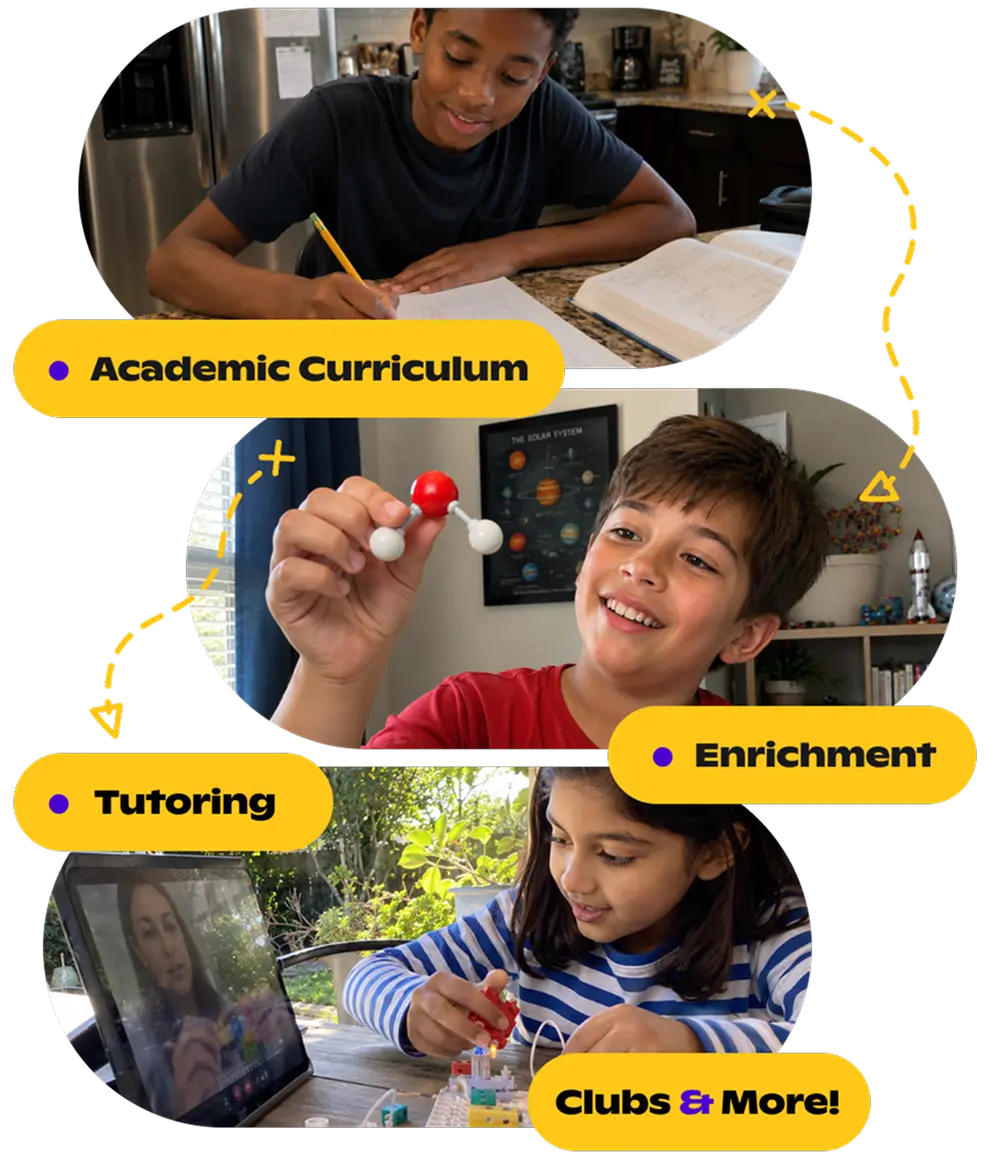
$20 off your first class WITH promo code: blog
Build the Education your Kid Deserves
Discover thousands of live classes taught by expert teachers, across academics and enrichment.
Browse classesEncourage self-advocacy
Help your child practice explaining how they learn best. Provide clear examples they can use, such as “I learn better when I can listen to a book rather than read it” or “hearing what is going to happen tomorrow before I go to sleep will help me process the day easier.” Practicing these responses at home builds confidence and prepares them to share their needs with teachers, friends, and peers with confidence.
Model positive social behaviors
Show your child how to ask for help, redirect conversations, and share their preferences in group settings. Practicing these scenarios at home helps kids feel prepared and confident in new situations.
Build a strong support network
Collaborate with teachers, tutors, and learning specialists who understand neurodiversity and can create inclusive classroom and group settings. Connecting with other families provides shared experiences and peer support.
Create spaces for connection
Help your child find communities where they can interact with peers who share similar experiences. Online groups and specialized classes from Outschool offer smaller, supportive settings that reduce pressure and encourage authentic friendships.
Support can start right at home, but does not need to stay there. Look for local homeschool co-ops, library programs, or online meet-ups where your child can practice social skills with peers in a low-stress environment.
Frequently asked questions about dyslexia and social skills
Parents often wonder whether social challenges are related to dyslexia and how to best support their child. Here are answers to some of the most common questions:
What signs show that dyslexia is affecting social skills?
Look for patterns such as needing extra time to follow group conversations, missing jokes or sarcasm, or seeming quiet or overwhelmed in group activities. Some children may pause longer before speaking or feel anxious when asked to read aloud. Some may even opt out of participation in team activities or in games. These behaviors often reflect how their brain processes language and anxiety or insecurity around this, not a lack of interest.
How can I support my child if they face teasing or exclusion?
Openly discuss their experiences and reassure them that their feelings are valid and essential. Practice simple responses together, like “I learn differently, but I’m great at problem-solving” or “I’m dyslexic, which means I may do things a little differently, but that’s okay.” Building a circle of supportive friends, mentors, and family members helps them feel understood and confident.
What helps kids build friendships when reading or writing is challenging?
Choose activities that focus on shared interests rather than academic skills. Sports, art, music, and hands-on projects give children natural ways to connect. Small clubs or online groups can also provide safe, pressure-free places to meet peers with similar passions.
How do I discuss dyslexia with teachers and peers?
Focus on your child’s strengths and the strategies that help them succeed. Share a short summary of how they learn best and offer practical ideas, such as using audiobooks or extra processing time, or even opting for text-to-talk accommodations for “writing” papers and essays. This helps teachers and peers understand and support your child effectively.
Can online classes help with social development?
Yes. Virtual classes on platforms like Outschool offer smaller, supportive settings where kids can practice conversation, meet peers with similar interests, and build confidence. Parents can also observe interactions, making it easier to guide and celebrate progress.
Helping your child take the next step
Dyslexia shapes the way children and teens learn and interact, but it also opens the door to creative problem-solving and unique ways of connecting with others. When learning environments celebrate these differences, kids gain confidence, build friendships, and discover their voice.
Outschool offers live, small-group classes designed for dyslexic learners, covering core subjects, creative arts, and social-emotional learning. These welcoming spaces enable children and teens to practice communication, collaborate with their peers, and grow in an environment where their strengths are recognized. Choosing the right community helps turn social practice into meaningful growth, giving your child or teen the chance to thrive both academically and socially.


.svg)
.svg)