Third grade brings along a fresh set of awareness to learning. After spending two years learning to read, many kids start reading to learn this year. They pick up chapter books on their own. They understand bigger words. They think more deeply about what they read.
A strong third grade reading curriculum balances skill-building with freedom to explore. You'll teach important strategies while giving your child space to read books they actually care about. Throughout this guide, you'll discover practical ways to support your reader's growth while keeping reading time productive and enjoyable.
If you'd like additional support, Outschool's reading classes give your child a chance to practice skills, discuss books with other kids, and build confidence.
Why reading skills matter in real life
Reading skills aren't just boxes to check off. They're foundational tools your child will use for life. When kids learn to make inferences or identify themes, they gain a deeper understanding of what they're reading. That deeper understanding leads to real appreciation. They start to see layers in stories. They notice what authors are doing and why.
Reading also builds critical thinking. It teaches kids to spot biases in text. To question what they're reading. To compare different viewpoints. These abilities will serve them well beyond third grade, into high school, college, careers, and everyday life.
So while reading time shouldn't feel overly structured or rigid, there is real science behind how we teach it. The skills listed above work together. They help your child become not just a reader, but a thoughtful, engaged reader who understands what's on the page and what's between the lines.
What a third grade reading curriculum looks like for homeschoolers
You might be wondering what skills to focus on this year. Or how to structure reading time so it works for your family.
Before you begin planning, keep your primary goal in mind. You want to build strong reading skills. But here's the more important part: you want them to actually enjoy reading. You can do both through some direct teaching, lots of free reading time, and simple talks about the books they're reading.
When it comes to the skills you can include in your lesson plan, here are some a third-grade curriculum usually covers:
- Reading comprehension: understanding main ideas, details, cause and effect, making inferences, and drawing conclusions
- Vocabulary development: learning new words through context clues, prefixes, suffixes, and root words
- Reading fluency: reading smoothly with appropriate speed, accuracy, and expression
- Literary elements: identifying characters, setting, plot, problem, solution, and theme in stories
- Text features: using headings, captions, glossaries, and tables of contents in informational books
- Genre exploration: experiencing fiction, nonfiction, poetry, biographies, and folktales
- Critical thinking: comparing texts, forming opinions, and supporting ideas with evidence from reading
- Reading strategies: predicting, questioning, visualizing, summarizing, and monitoring understanding
- Independent reading habits: building stamina, choosing appropriate books, and reading for pleasure
How to make third grade reading lessons engaging at home
Reading instruction works best when you mix direct teaching with real reading experiences. Connect lessons to your child's interests and daily life. Balance structure with choice. This helps your reader develop both skills and confidence.
1. Build a daily reading routine
- Set aside consistent time for independent reading. Start with 15-20 minutes and gradually increase. Let your child pick their own books during this time. Choice matters.
- Keep reading aloud together, even if your child reads well on their own. When they hear you read books slightly above their level, they learn new words and sentence patterns naturally.
2. Create a functional reading environment
- Set up a reading space with good lighting and comfortable seating. Keep books where your child can easily reach them.
- Go to the library every week or two. Let your child explore and make their own choices. You can suggest titles, but give them ownership over what ends up in the basket.
3. Use authentic activities instead of worksheets
- After reading, talk about books instead of filling out worksheets. Ask what they noticed. What surprised them. What they're wondering about now.
- Try book projects that feel real: character trading cards, story maps, letters to authors, or a reading journal with favorite quotes. These activities give purpose to reading without feeling like busywork.
4. Connect reading to real life
- Point out reading everywhere you go. Recipes, game instructions, signs at the store, texts from grandma. All of it counts as reading practice.
- Follow your child's interests with nonfiction. If they're into dinosaurs, space, or sports, find books and articles on those topics. Interest drives motivation.
5. Teach skills in context
- When your child struggles with something specific, like making inferences or figuring out new words, stop and teach that strategy right then. Use the book they're already reading.
- Model your thinking out loud sometimes. Say what's happening in your mind as you read: "I'm picturing what this forest looks like" or "I don't know that word, so I'm using these clues to figure it out."
These strategies make reading time work better. You'll build skills naturally through consistent practice. By following their interests and celebrating progress, you'll help your third grader become a capable, confident reader.
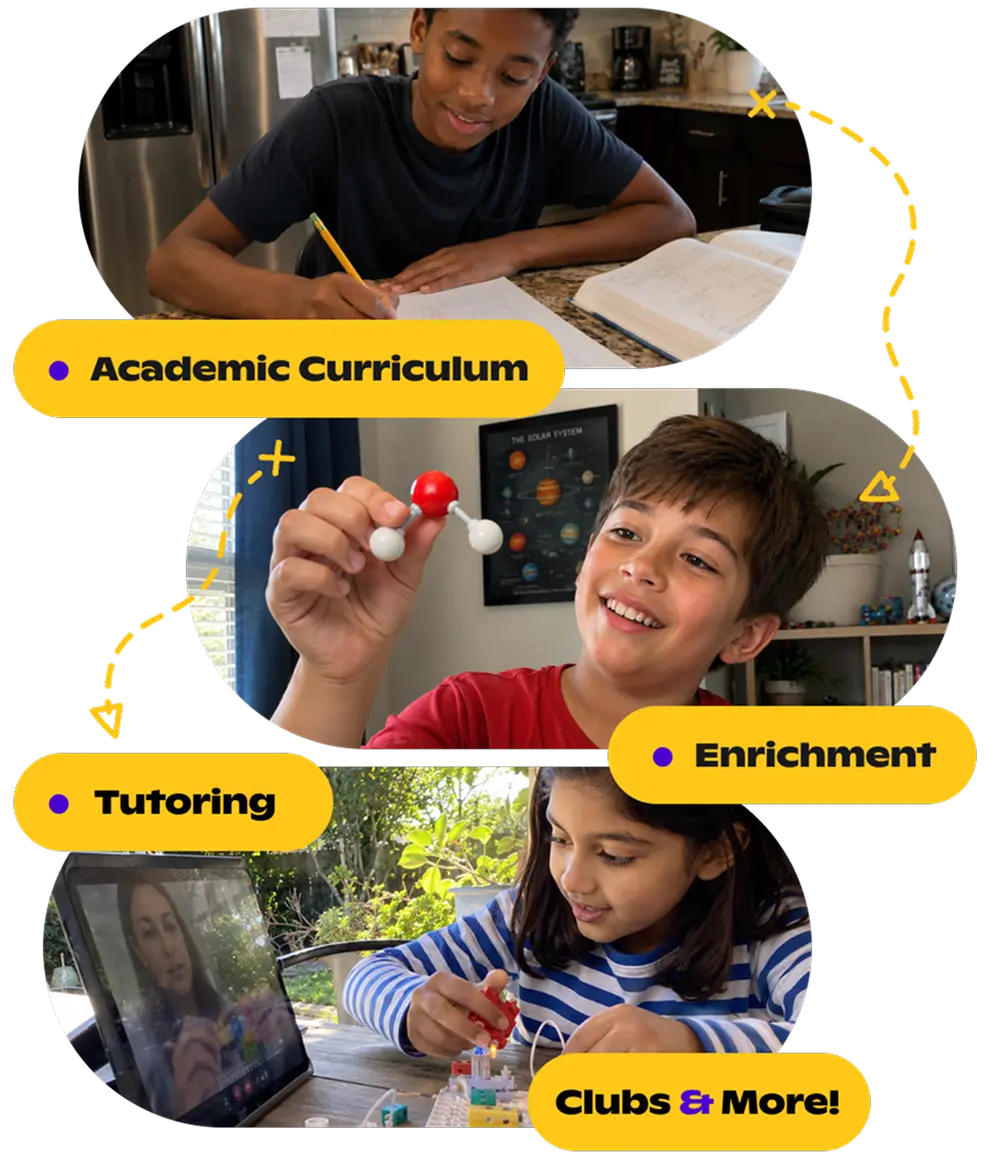
$20 off your first class WITH promo code: blog
Build the Education your Kid Deserves
Discover thousands of live classes taught by expert teachers, across academics and enrichment.
Browse classesHelpful reading resources for homeschool families
The right tools can make your job easier. You don't need everything out there. Just build a practical collection that helps you teach, gives your child variety, and lets you see growth over time.
Here are some trusted resources to explore:
- Live reading classes — Small groups focused on comprehension, book discussions, and building confidence.
- Your local public library — Free access to thousands of books, plus librarian recommendations, reading challenges, and sometimes book clubs for kids.
- Storyline Online — Free videos of actors reading children's books aloud. Great for modeling fluent reading and finding new titles.
- Epic! — Digital library with thousands of books for kids, organized by interest and reading level.
- Book Creator — A Digital tool that lets kids create their own books, combining reading with writing and creativity.
These resources give you structure, variety, and expert support as you build a reading curriculum that fits your child's pace and interests.
Third grade reading curriculum: Frequently asked questions (FAQs)
Teaching reading at home brings up lots of questions. That's normal. Here are practical answers to help you feel confident about assessment, book choices, and daily routines.
How do I assess my child's reading progress without formal tests?
Listen to your child read aloud once a week. Notice their fluency, accuracy, and expression. After reading, ask them to retell the story or explain what they learned. Keep simple notes about books they finish, new vocabulary they use in conversation, and how long they can read on their own. Watch for growth in how they talk about books.
What if my child only wants to read easy books or the same book over and over?
This happens a lot. It usually means your child is building confidence. Let them spend some time with comfortable favorites. At the same time, gently introduce slightly harder books on topics they love. Try series books. Readers get to stay with familiar characters while the stories gradually get more complex. And reading the same book multiple times actually builds fluency and a deeper understanding.
How do I choose appropriate books for my third grader?
Look for books with chapters, more complex plots, and richer vocabulary than second grade books. A good fit means your child can read most words correctly but still runs into some new vocabulary. Many libraries use leveling systems. You can also try the "five-finger rule": if your child misses more than five words on a page, the book might be too hard for independent reading right now.
Should my third grader still be learning phonics?
Most third graders have moved past basic phonics. But many still need help with longer words, prefixes, suffixes, and more complex spelling patterns. If your child struggles to sound out longer words, keep working on phonics. It's helpful and appropriate. Every child develops at their own pace.
How much time should third graders spend reading each day?
Aim for at least 20-30 minutes of independent reading daily. Add time for read-alouds and any skill instruction on top of that. Some kids will naturally read much longer once they're into a good book. The key is consistency, not marathon sessions. Start with manageable amounts and gradually build their reading stamina.
What if my child complains that reading is boring?
First, check that the books match their interests and reading level. Try different genres. Try graphic novels. Try nonfiction on their favorite topics. Try audiobooks paired with physical books. Set up a cozy reading spot. Read aloud together. Start a two-person book club where you both read the same book and talk about it. Sometimes kids resist reading not because they dislike reading itself, but because the books don't connect with them.
How do I know if my third grader is meeting grade-level expectations?
By late third grade, many readers can pick up a chapter book and read it independently. They understand main ideas and details. They make simple inferences. They use context to figure out new words. They read with fluency and expression. They can talk about what they've read and make connections between different texts. If your child is still working on these skills, that's okay. Keep offering consistent practice and celebrate the specific growth you see.
Explore more third grade curriculum guides
Building a complete homeschool plan means looking at each subject individually while keeping the big picture in mind. If you want to dig deeper into specific areas of your third grader's learning, these guides can help you create a well-rounded curriculum that covers all the essentials.
More third grade resources:
Building your third grader's reading skills
The best third grade reading curriculum is one that grows with your child. It provides structure when needed but stays flexible enough to follow their interests and natural pace.
Reading progress looks different for every child. Some kids tear through chapter books quickly. Others need more time to build fluency and stamina. Some prefer nonfiction. Others love fiction. The key is celebrating individual growth, providing daily practice, and showing that reading is useful throughout life.
If you'd like extra guidance or community support, Outschool's reading classes offer small-group and one-on-one options designed for homeschool families. Each class helps children strengthen skills, discover new books, and connect with other young readers in a supportive environment.


.svg)
.svg)