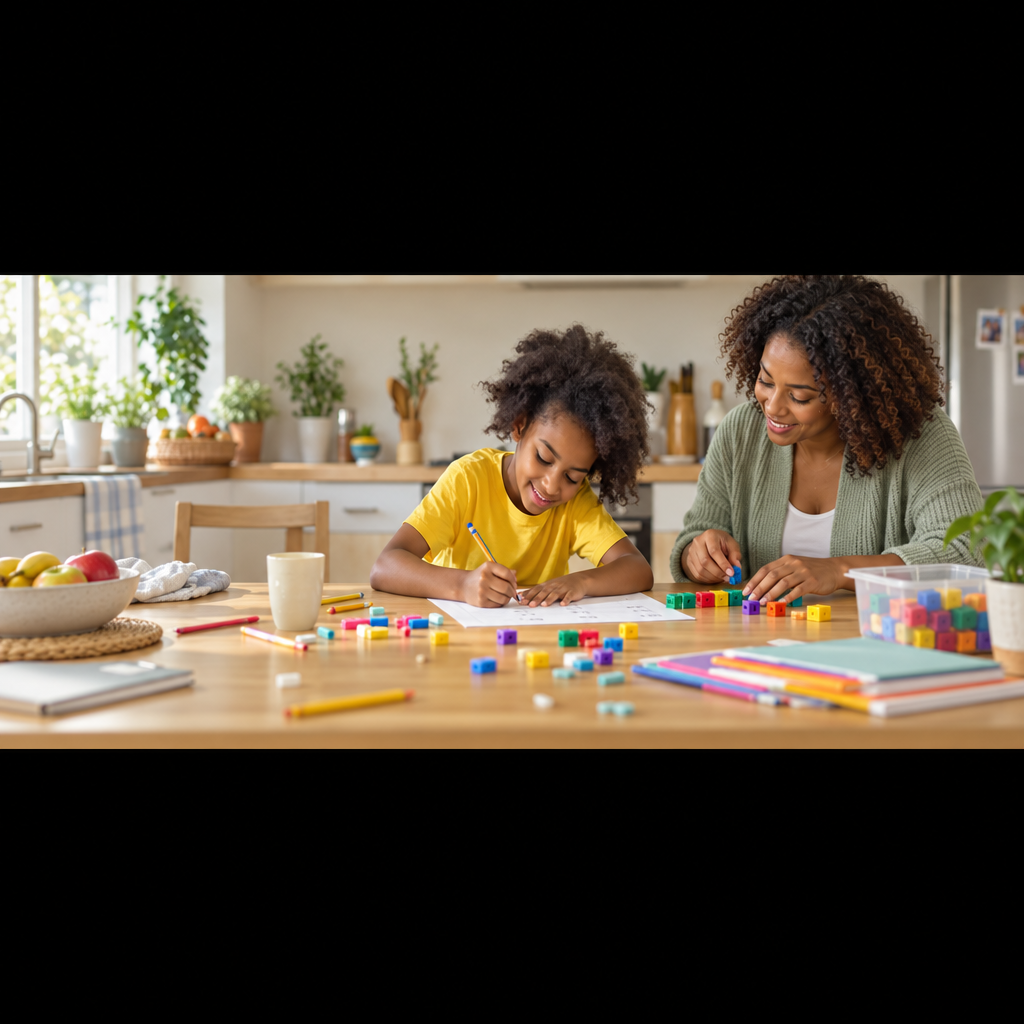
As a homeschool parent, you might be surprised to learn that health and physical education (sometimes referred to as PE) are required subjects, depending on what state you live in. This can feel daunting, especially when state guidelines can feel vague, confusing, or difficult to translate into real-life learning. But chances are, you already support your children's health in meaningful ways, and with a little guidance, you can change what you’re already doing into a simple and effective homeschool health and physical education curriculum.
Homeschooling allows you to build a program around your family's schedule, interests, and activity level, including physical education and health subjects. Below, we explain how state requirements vary, give age-appropriate planning ideas, and outline how to support your child's physical and emotional well-being, while building habits that last.
What Is a Homeschool Health and Physical Education Curriculum?
A homeschool health and physical education curriculum focuses on developing healthy habits, understanding how the body functions, and promoting emotional well-being. In a homeschool setting, health and physical education can be easily integrated into the daily routine rather than taught as separate classes. This process may look like planning and cooking healthy meals, building fitness with outdoor activities, or joining a local sports team.
What “health” typically means
Health education usually covers an umbrella of physical, mental, and emotional well-being. For younger children, this may look like learning about personal hygiene and recognizing feelings. For teenagers, health education expands to topics such as relationships, internet safety, and stress management.
Pediatric guidance recommends daily modeling and conversation as key factors in building healthy habits, which is why health education is most effective when woven into everyday life. (Prevention, 2011) For example, talking through the complexities of friendship with your middle schooler, helping your child regulate big emotions when they’re frustrated, or discussing the nutritional value of a family meal are all natural learning moments.
What “physical education” typically means
Physical education focuses on movement, coordination, endurance, strength, and healthy habits related to physical activity. The Centers for Disease Control’s (CDC) Physical Activity Guidelines recommend that children participate in at least 60 minutes of moderate to vigorous exercise per day. This amount of movement helps support cardiovascular health, bone strength, and mental well-being.
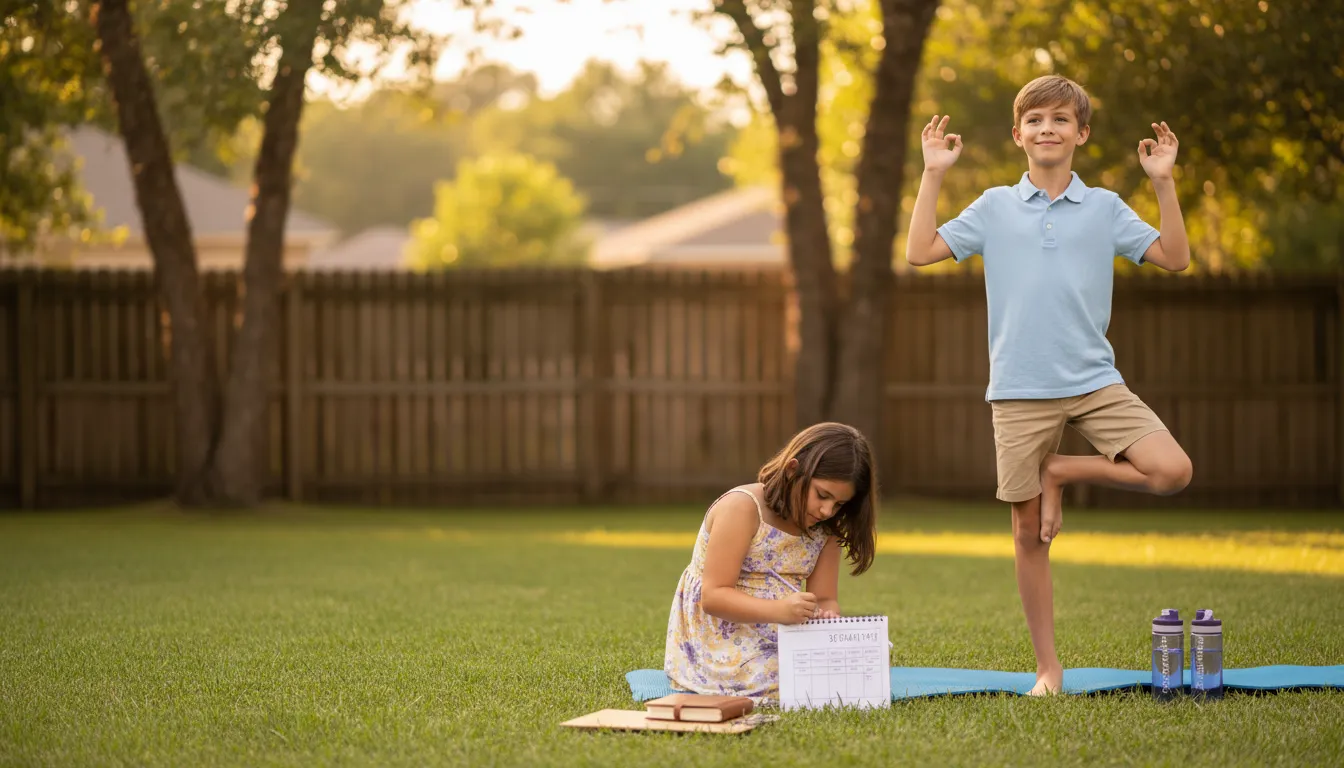
In a homeschool setting, physical education can look quite different from a traditional physical education class and still meet all of the developmental goals. Physical activities such as playing sports, hiking, dancing, strength training, or engaging in structured movement games can all support the development of fine and gross motor skills that a quality physical education program aims to foster.
National physical education standards emphasize areas such as participation, skill progression, and personal fitness growth, all of which can be taught and practiced at home and in the community.
Do homeschoolers have to teach health and physical education?
Health and physical education requirements vary by state and grade level, which is why homeschool families are often confused. Some states list health and physical education as required subjects, while others leave it up to parents' discretion or accept play as a form of physical education.
Reviewing your state's homeschool requirements is the best way to understand what applies to your situation. Many families meet the requirements through weekly physical activity, health-related discussions, and simple documentation such as weekly logs or reflections.
What to Look for in a Homeschool Health and Physical Education Curriculum
There is no single “right” way to teach health and physical education at home. What is most important is choosing a program that’s the right fit for your child's age, ability, and your family's long-term fitness goals.
You can look beyond worksheets and find programs that support skills development and whole child wellness. The resources you choose should make it easy to incorporate movement and wellness into your week.
Age-appropriate progression
Children's needs in health and physical education vary dramatically over time, and the program you choose should reflect this.
For example, early elementary resources should focus on fundamental movement skills such as throwing, kicking, and catching, while middle school resources can incorporate personal fitness goals and planning. The American Academy of Pediatrics highlights that health is not just about receiving information but applying the knowledge. Making those healthy choices about sleep, nutrition, and physical activity is the key, not just talking about them.
Research aligned movement standards
A learning standard is a description of what the learner should know or be able to do during specific learning stages. Standards guide the material taught and how progress is measured. It is essential to find a curriculum that aligns with research-based physical activity standards.
The Centers for Disease Control (CDC) recommends that school-aged children get one hour of moderate to vigorous exercise per day. They break that movement down into aerobic, muscle-strengthening, and bone-strengthening areas and give helpful examples of each.
Another research-aligned program to consider is the Society of Health and Physical Educators (SHAPE) America. Their website has a multitude of resources and specific national and state standards for both health and physical education. One example of a school-aged physical education standard is to “recognize the health benefits of physical activity and set simple personal activity goals.”
At home, this could translate into setting a fitness goal, such as running one mile within a certain timeframe, and then tracking daily progress in a journal. You could discuss with your child how running makes them feel and how it affects their energy level, hunger, and sleep.
Balance of structured and lifestyle approaches
A high-quality health and physical education curriculum should blend intentional instruction with everyday life activities. You may want your at-home program to focus on the same foundational elements emphasized by child development and wellness research: skill + habit + context. For example, making a healthy meal at home involves researching, planning, shopping, cooking, and eating.
Creating opportunities for reflection and personal growth can be incorporated into your homeschool schedule and will increase meaningful learning. Track your progress on a wall chart, or turn a SHAPE standard into a self-assessment rubric and celebrate your child's wellness journey.
Types of Health and PE Homeschool Curricula
Health and physical education can feel very personal in a homeschool setting, and you can choose the materials that align with your values and priorities. The curricula below range from structured programs to more flexible, lifestyle-based options, or you can pick and choose to create a combination that works best for your family.
- Health and physical education all-in-one programs: Combine wellness topics with structured activities. These work well for families who want a clear, year-long plan laid out.
- Physical education-focused: These curricula focus on building endurance, strength, skill, and coordination. Briefly touch on health topics, but keep your focus on movement and physical activity.
- Interest-led programs: This approach will build a program using your child’s interests as the touchstone. The wellness topics will branch off of real-life activities such as dance, hiking, or martial arts.
- Project-based learning: Learners take ownership of their own health through long-term projects and goal-setting. Projects could include creating a sleep tracker or making a family wellness plan.
Topics Typically Covered in Homeschool Health and Physical Education Curricula
The goal of health and physical education is to build habits, body awareness, and responsibility in an age-appropriate way. In a homeschool setting, topics develop gradually, becoming more mature and in-depth over time.
For preschoolers
Preschoolers will focus on basic movement, coordination, and safety. Health topics will include handwashing, learning body parts, and beginning to recognize feelings. Most movement occurs through play, exploration, and games. The focus in these young years is to practice using their bodies in all ways, rolling, climbing, kicking, stretching; it is all new and exciting.
For elementary school students
Health topics can include basic nutrition, emotional awareness, and working together as a group. Physical education consists of more structured games, organized sports, and outdoor exploration. This is a perfect time to incorporate the learner’s interests like biking, swimming, or rock climbing.
For middle school students
Middle school often introduces puberty education, stress management, and personal responsibility. Research shows that physical activity during adolescence supports both physical and mental health, including reduced stress and improved mood. Physical education may start to incorporate goal setting, strength training, and fitness tracking.
For high school students
Health education becomes more reflective and independent in high school, often covering topics like mental health, personal relationships, and personal wellness planning. Physical education focuses on lifelong fitness habits rather than skill mastery.
How a Day-to-Day or Weekly Routine for Homeschool Health or PE
Health and physical education can fit into your weekly homeschool routine in a variety of ways. You can even take advantage of the wellness habits you’ve already established and build on them.
For example, your child may have baseball practice three days a week, or you may go on a nightly after-dinner walk as a family. Create a weekly program around those activities and then address health topics in the car or on your walk. You can also prioritize regular participation and habit formation, and enjoy the process.
How to Create Your Own Health and PE Homeschool Curriculum
A simple, intentional plan built around your family's schedules and interests will be the most sustainable and effective. Follow the steps below to start creating your perfect at-home program.
Start by reviewing your state's requirements
Review your state’s requirements. Then, write down the basic subjects or goals you need to address so you can gain clarity and prevent overplanning.
Choose consistent movement anchors
Choose one or two consistent movement activities as the anchor to your program. These might be sports, walks, classes, or hikes. When you’re just starting out, consistency matters more than variety.
Select monthly health themes
Choose one theme per month, like nutrition, sleep, or emotional wellness, and focus on it. You can revisit the topics as the year goes on and your child ages and matures.
Track participation in a simple way
Have a brief weekly check-in about what felt difficult or what was enjoyable. Keep a weekly log of activity completed and health topics covered.
Popular Health and Physical Education Homeschool Curricula
Many families choose to use already established programs to add structure and accountability to their plans. Use these options as helpful resources in your homeschool health and PE journey.
Outschool’s online health and physical education classes
Outschool offers live, flexible classes in both physical and health education for all ages. These are perfect for homeschool families who are looking for more formal instruction in wellness topics without committing to a full curriculum. Outschool classes offer the class, tracking tools, and support all in one location.
National health and wellness planning resources
Some families prefer to design their own program using national wellness frameworks and free planning tools. These resources offer helpful information on physical activity guidelines by age and nutrition guidance. Begin with the resources mentioned above from the Centers for Disease Control and Prevention (CDC) and SHAPE America as a foundation.
Community-based programs and activities
Local sports organizations, recreation leagues, and community centers can serve as the foundation for a homeschool health and physical education program. Organized activities paired with at-home tracking and reflection will often meet physical education state requirements.
Frequently Asked Questions: Health and PE Homeschool Curricula
The answers below address some common concerns you may have as a homeschooler implementing a health and physical education curriculum.
Can sports, martial arts, or dance count as physical education?
If participation is consistent and documented, then yes. Be sure you keep track of attendance, practice time, and any goals set or reflections on the activity.
What are some things to avoid when teaching health and/or physical education at home?
Avoid comparing your homeschool health and physical education class to one at a traditional school. You have the opportunity to experience movement in the world and a child in a classroom cannot, so take advantage of that flexibility. Try not to overfocus on performance or specific skills. Instead, focus on growth and development. Healthy habits will grow when you support confidence and consistency rather than short-term benchmarks.
How do you grade or evaluate your learners’ health and/or physical education performance?
Focus on participation, effort, and progress rather than a particular number or letter grade. Find a goal tracker that works for your family, and celebrate the small steps you take over time.
Building Habits That Help Your Learner Grow
When you create a homeschool health and physical education curriculum, you’re helping your learner weave healthy habits into the fabric of their everyday life. Whether you choose project-based, interest-led, or a mix of both, small, consistent choices add up over time. If you’d like added structure or expert guidance, Outschool offers flexible health and physical education classes that can complement your at-home plan.
Sources
American Academy of Pediatrics. Promoting Physical Activity in Children and Adolescents. AAP, 2024, https://www.aap.org/en/patient-care/physical-activity/.
American Academy of Sleep Medicine. Healthy Sleep. Sleep Education by the AASM, 2021, https://sleepeducation.org/healthy-sleep/.
Centers for Disease Control and Prevention. Health Education Curriculum Analysis Tool (HECAT). CDC Healthy Schools, 2024, https://www.cdc.gov/healthyschools/hecat/index.htm.
Centers for Disease Control and Prevention. Physical Activity Guidelines for Americans. 2nd ed., U.S. Department of Health and Human Services, 2018, https://www.cdc.gov/physical-activity-basics/benefits/?CDC_AAref_Val=https://www.cdc.gov/physicalactivity/basics/pa-health/index.htm.
Centers for Disease Control and Prevention. School Health Guidelines to Promote Healthy Eating and Physical Activity. Morbidity and Mortality Weekly Report, vol. 60, no. RR-5, 15 July 2011, pp. 1–76, https://www.cdc.gov/mmwr/preview/mmwrhtml/rr6005a1.htm.
SHAPE America. National Standards and Grade-Level Outcomes for K–12 Physical Education. SHAPE America, 2024, https://www.shapeamerica.org/standards/pe/.


.svg)
.svg)