Georgia graduation requirements allow homeschool families to design an education that fits their learner’s goals while meeting the expectations for a complete high school experience. As a homeschool parent, you decide when your child is ready to graduate, set the standards they’ll meet, and issue their diploma, all within Georgia's flexible framework.
Whether your learner is beginning Algebra I or tackling advanced chemistry, you can begin planning for Georgia’s graduation pathway at any stage. Every choice you make from record-keeping and course selection to diploma preparation contributes to your child’s long-term success. At Outschool, families can combine academic structure with creative freedom through engaging online classes and expert instruction that supports every step toward graduation readiness.
Understanding Georgia graduation requirements at every homeschool stage
As parents look into Georgia’s graduation requirements for homeschoolers, they’ll notice that the process is different from what traditional public schools require. The Georgia Department of Education mandates that homeschooling families file an annual Declaration of Intent (DOI) by September 1st, provide 180 days of instruction with 4.5 hours per day, and ensure students take a nationally standardized achievement test at least once every three years starting in third grade.
Georgia's homeschool laws offer flexibility in curriculum and completion standards. While public high schools follow state-mandated academic expectations, homeschooling parents can set educational milestones and award legally equivalent diplomas. Families can focus on core subjects during early years and design completion standards aligned with their learners' post-secondary goals as they approach high school.
Step-by-step: how homeschoolers in Georgia earn a high school diploma
In Georgia, homeschooling families determine how their students earn a high school diploma. Unlike traditional schools, Georgia gives homeschooling families complete authority to determine graduation standards and issue diplomas. Here’s how your homeschooler can earn a diploma:
- Set your graduation standards: Decide which courses, credits, and assessments your learner must complete, tailoring expectations to their strengths, interests, and future goals.
- Create a detailed transcript: Record all coursework, grades, and credits earned throughout high school. This transcript is your learner’s official college, scholarship, or employment academic record.
- Issue the diploma yourself: As the parent or guardian, you can issue your student’s diploma. Georgia does not provide state-issued homeschool diplomas; your signature and seal make it fully legitimate.
- Enrich learning with online classes: Supplement your homeschool program with online instruction covering core subjects and electives. Live or self-paced courses can expand learners' options and provide expert guidance.
- Maintain thorough records: Keep organized documentation of attendance, assignments, assessments, and progress. A complete portfolio showcases your learner’s growth and achievement in high school.
- Prepare for next steps: Format your transcript to meet college admissions standards or align with your learner’s career goals. A well-prepared record ensures a smooth transition after graduation.
In Georgia, earning a homeschool diploma is both flexible and empowering. By setting clear standards, maintaining strong records, and celebrating your learners’ achievements, you create a personalized path to graduation that opens doors to higher education and future opportunities.
Documentation and record-keeping: building a strong homeschool portfolio
Georgia homeschoolers must start with the legal foundation: filing an annual Declaration of Intent with the Georgia Department of Education by September 1 each year. This form is your official enrollment record and may be needed for driver’s licenses, work permits, and other verifications during your learner’s education.
- File your annual Declaration of Intent: Submit the DOI to the Georgia Department of Education each year by September 1 to legally establish your homeschool. Keep copies for your records, as this document is often required for official verifications.
- Maintain attendance and progress records: Document at least 180 instructional days per year, with a minimum of 4.5 hours per day. Include brief progress summaries or report cards that show steady academic development.
- Create a detailed academic portfolio: Build a comprehensive portfolio that includes your learner’s transcript, course descriptions, textbook lists, and grading breakdowns. This serves as both a legal record and a valuable college admissions tool.
- Include personal and extracurricular documentation: Track volunteer work, sports, clubs, and community involvement in a separate section, often presented as a resume or supplemental transcript page. These records highlight well-rounded growth and soft skills.
- Prepare for potential college requirements: Some University System of Georgia institutions may request detailed documentation, such as work samples, reading lists, or instructor recommendations. Maintaining organized records now ensures readiness for those requests later.
- Use digital tools for efficient organization: Platforms like Outschool automatically generate participation records, completion certificates, and progress reports that integrate seamlessly into your homeschool portfolio.
Strong record-keeping builds credibility and confidence in your homeschool program. By keeping your documentation accurate, organized, and accessible, you create a professional academic record that supports graduation, college admissions, and every milestone.
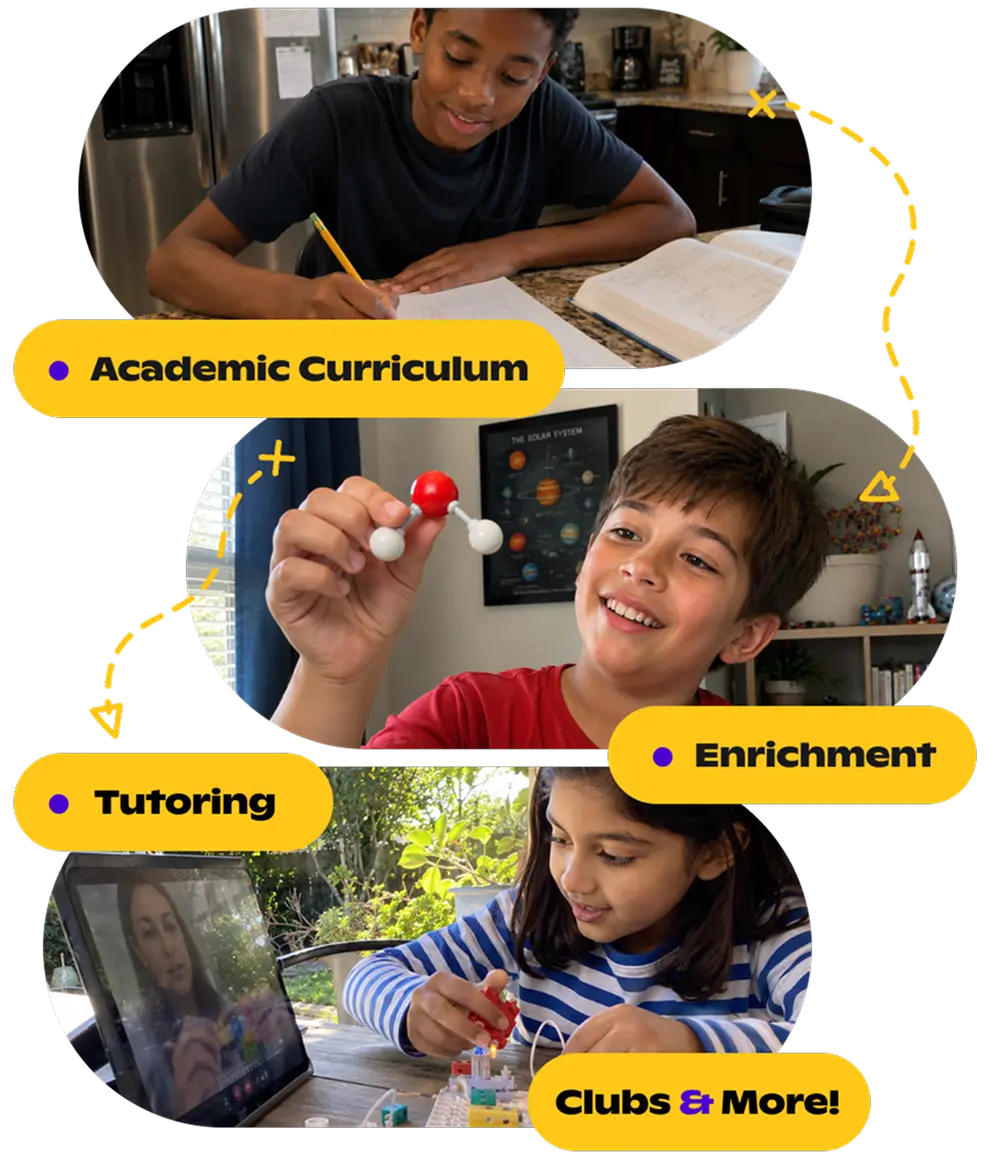
$20 off your first class WITH promo code: blog
Build the Education your Kid Deserves
Discover thousands of live classes taught by expert teachers, across academics and enrichment.
Browse classesEnriching the homeschool experience: real-world learning and graduation readiness
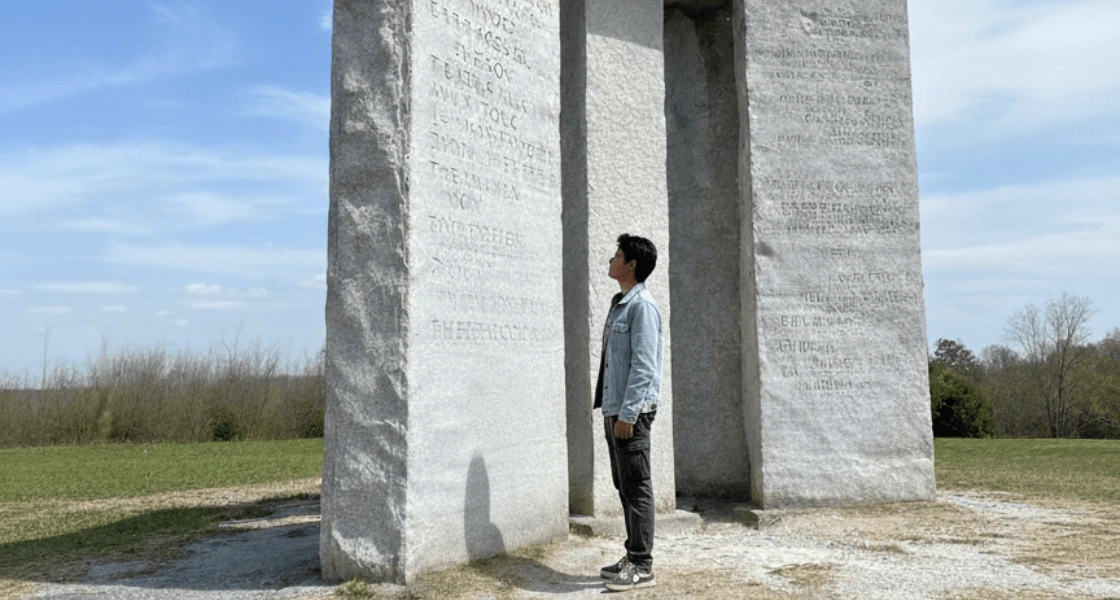
Real-world experiences turn homeschool graduation readiness in Georgia into something far more meaningful than a checklist. Whether exploring historical landmarks, volunteering in the community, or experimenting with science at home, hands-on learning brings lessons to life. These authentic moments meet diploma requirements and build confidence, curiosity, and lifelong skills that prepare learners for college, careers, and beyond.
- Turn the world into your classroom: Trade textbooks for field trips and nature hikes. Visiting museums, historic sites, and local landmarks transforms lessons into living stories that deepen understanding far beyond the page.
- Serve, lead, and learn: Community service projects aren’t just good deeds; they’re powerful teaching tools. Helping at a food drive or volunteering with local groups builds empathy, responsibility, and the kind of real-world leadership colleges love to see.
- Experiment, create, and explore: Learning doesn’t have to stay in a classroom. Kitchen chemistry, garden biology, and home art studios bring science and creativity to life while earning valuable lab or elective credits.
- Let passions shape the path: When a learner’s interests lead the way, academics come alive. A child fascinated by marine life can explore oceanography to meet science standards; an artist can use geometry to design patterns and spaces, proving that learning can be rigorous and inspiring.
- Discover the power of online learning: The internet opens doors to expertise and opportunity. From robotics clubs to literature circles, flexible online classes connect your learner with teachers and peers who share their curiosity and drive.
- Build confidence through freedom and structure: Mix self-directed projects with guided instruction. Let curiosity set the pace, but anchor it with clear goals. This approach keeps learning joyful while ensuring steady progress toward graduation.
When you weave real-world experiences into your homeschool, education becomes something bigger than grades or credits; it becomes growth. Every project, trip, and conversation adds to your learner’s story, helping them graduate ready for the next step and excited to take it.
Frequently asked questions about Georgia homeschool graduation requirements
Planning for graduation can feel exciting and overwhelming as you envision your learner's next chapter. These Georgia homeschool graduation FAQs answers address families' most common concerns, helping you approach this milestone with confidence and clarity.
What graduation requirements do homeschoolers need to meet in Georgia?
Georgia allows families to establish their graduation criteria rather than following state-mandated requirements. When designing completion goals for your learner, consider exploring college admission standards or career pathway expectations. Most families include core subjects like English, math, science, and social studies while adding creative elements that reflect their learners' interests and strengths.
How do homeschool students earn their high school diplomas in Georgia?
Families issue the diploma themselves once their learner completes the chosen graduation criteria. The foundation for this process is creating an official transcript that documents completed coursework, grades, and credits. Since Georgia doesn't provide state-issued diplomas for homeschoolers, the diploma and transcript you create carry full legal recognition for college applications and employment opportunities.
What records should I maintain for graduation purposes versus ongoing compliance?
For ongoing Georgia compliance, maintain annual attendance records showing 180 instructional days and evidence of progress through assessments or evaluations. Graduation documentation goes beyond these basics, including detailed transcripts, comprehensive course descriptions, and portfolios showcasing your learner's achievements. Online classes can strengthen transcripts by providing structured coursework records and expert-led instruction across diverse subjects.
Can my homeschooled teen participate in graduation ceremonies?
Many homeschool co-ops, support groups, and community organizations host graduation ceremonies explicitly designed for homeschooled students. Some families create personalized celebrations at home that honor their learners' unique journeys and accomplishments. These ceremonies often incorporate the real-world projects and creative learning experiences that make homeschooling meaningful.
Will colleges and employers recognize my homeschooler's credentials?
Colleges and employers widely accept homeschool diplomas and family-created transcripts, with many institutions actively recruiting homeschooled applicants. Strengthen your learner's profile by including standardized test scores, detailed course descriptions, recommendation letters, and portfolios that showcase their creative projects and community involvement. The personalized education approach often impresses admissions officers who value diverse learning experiences.
Bringing it all together: Your path to confident homeschool graduation
Georgia’s homeschool laws allow you to design a learning experience that fits your family perfectly. By keeping up with official requirements from the Georgia Department of Education, especially filing your annual Declaration of Intent by September 1, you’ll establish a strong foundation for your learner’s long-term success and graduation readiness.
Online homeschooling classes can add excitement, variety, and support to your family’s routine, offering flexible options for every age and learning style. At Outschool, families can enrich their homeschool journey with engaging live and self-paced classes, expert teachers, and an all-in-one Hub designed to make learning as unique as each child.


.svg)
.svg)