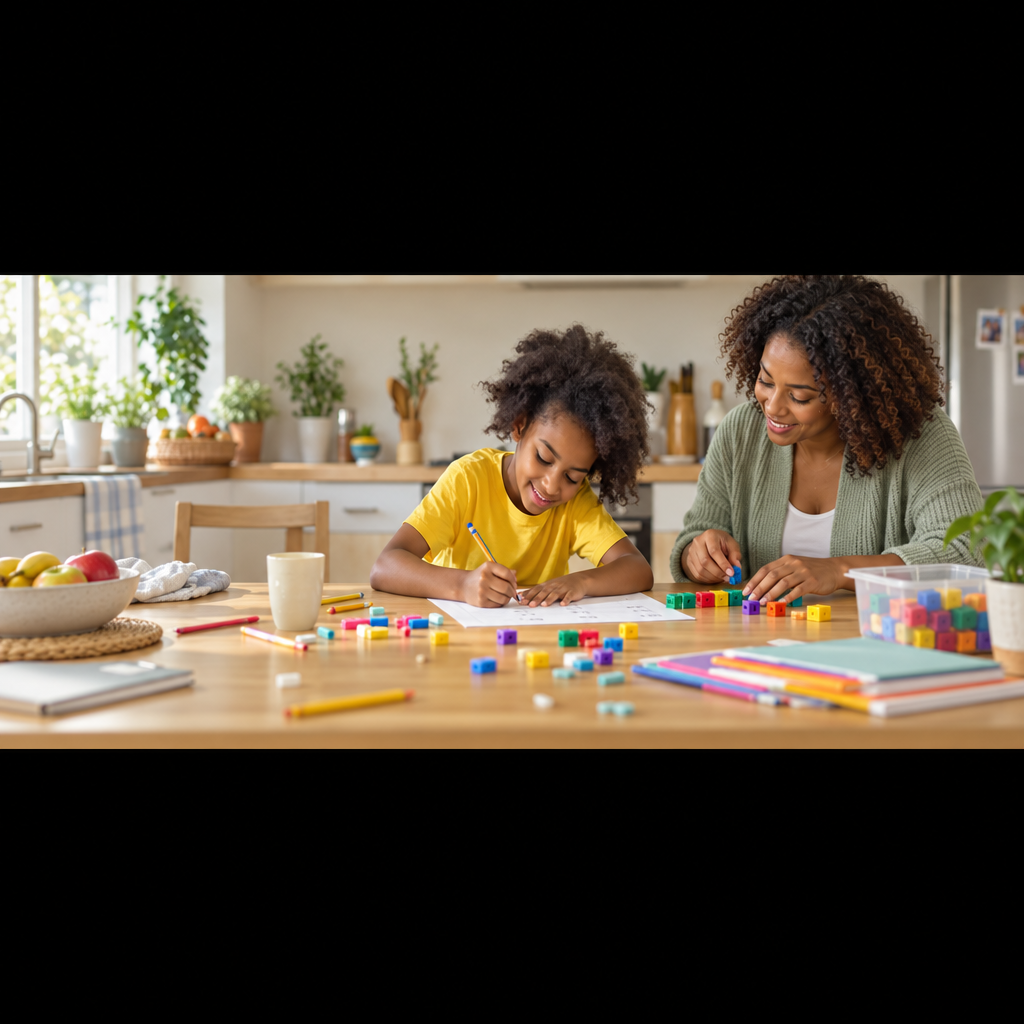
The transition to middle school can bring about a wave of changes. Students are evolving physically, emotionally, and socially, which means a homeschool health and physical education (PE) curriculum is critical. Health and PE become a wellness toolkit for your child to take along with them through the teenage years and beyond.
A high-quality health and PE program balances information, discussion, and movement, while creating a safe space for your child to ask questions. This article explores what topics your 6th grader should learn, compares home-based and traditional school settings, and helps you plan a routine to keep your child active and healthy.
Overview: 6th Grade Homeschool Health and Physical Education (PE) Curricula
In a homeschool setting, 6th grade can shift toward health literacy. Building on earlier foundations, students may start analyzing how their behaviors affect their health and how to form habits that will strengthen their bodies and brains.
The goal is to provide your child with a low-stress environment for physical and emotional exploration while ensuring the curriculum covers the basics.
Learning health at home vs. learning in school
The differences in how health and PE are taught at home and at school are vast. In a traditional school, health and PE are taught separately. PE happens once or twice a week in a gym, and health may be covered in a homeroom or during an open block. Teachers, following scripts, give middle schoolers information on sensitive topics, but they may not encourage discussion. This information is shared in large, mixed-gender groups and may feel uncomfortable.
At home, however, you can incorporate health and PE into daily life. Skills-based health and PE education may look like teaching nutrition during meal prep or running a 5K together as a family. Home-based learning also allows for tailored discussions on physical and emotional development, which makes it more likely that your child will ask questions that might feel embarrassing in a classroom.
This personalized approach ensures that students understand the "why" behind wellness rather than just memorizing facts for a test.
Topics Covered in 6th Grade Health and PE Curricula for Homeschool Learners
Learning goals at this age can focus on nutrition, personal fitness, and basic safety. The topics below are typically covered in early middle school.
Human anatomy and early puberty
Students study major body systems, focusing specifically on the endocrine system and hormonal changes.
At home, families may choose to complete a Growth Chart Project, where students map their physical growth over the year alongside a timeline of puberty milestones and use an anatomy diagram to label where specific hormones are produced.
Nutrition and food science
Building on basic food groups, 6th graders learn to read labels and analyze how marketing influences food choices.
At home, you may ask your child to be a “Grocery Store Detective”. You could take your student to the store and have them compare three different breakfast cereals. Then have them calculate the sugar-to-fiber ratio for each and determine which one provides the most sustained energy for a school morning.
Mental health and emotional resilience
This topic covers stress management and coping strategies. Research from the Association for Supervision and Curriculum Development (ASCD) indicates that middle schoolers who can identify their emotions often achieve higher academic success.
One possible activity is to create a Stress Toolkit, in which the student identifies three specific stressors and matches each with three healthy coping strategies. This toolkit can become a resource whenever stress relief is needed.
Physical literacy
Following SHAPE America guidelines, students learn the five components of fitness: strength, endurance, cardiovascular health, flexibility, and body composition. A homeschool example may be The Family Fitness Combine. Once a month, host a family test day for push-ups, a mile run, and a sit-and-reach stretch. Tracking these results in a spreadsheet teaches the student about personal goal-setting.
SHAPE America recommends that middle school students develop competence in a variety of motor skills and apply knowledge of fitness concepts to create personal activity plans.
Personal safety
Personal safety and hygiene can be introduced in 6th grade through lessons on digital citizenship, responses to injury or emergencies, and setting boundaries in relationships. Parents can tailor these topics to match their child's developmental stage and personal needs.
Common Types of 6th Grade Homeschool Health and PE Curricula
Because health and physical education are so personal, homeschoolers often choose a curriculum type that aligns with their family’s lifestyle and level of comfort. Whether you want a structured textbook or a hands-on, lifestyle-based approach, there are several ways to meet middle school wellness standards.
- All-in-one health and PE programs: These curricula integrate health into broader life science or biology studies. For 6th grade, this usually means a deep dive into the human body systems, followed by units on nutrition and hygiene. This is a time-saver for families who want to meet multiple requirements with a single set of materials.
- Subject-specific wellness workbooks: Many families prefer standalone workbooks focused on life skills such as safety, first aid, and social-emotional health. These are often open-and-go, requiring very little parent prep, and are excellent for ensuring you don’t miss any state-mandated health topics.
- Online and video-based health courses: Given the sensitive nature of 6th grade health (e.g., puberty, substance prevention, and mental health topics), many parents appreciate having a professional instructor deliver the core information via video. This allows the parent to step into the role of facilitator and discussion partner rather than lecturer.
- Social-emotional learning and mental health programs: These programs prioritize emotional resilience, digital citizenship, and conflict resolution. Research suggests that students who receive explicit social-emotional learning instruction show significant gains in academic performance and social behavior.
- Community-based physical education: For many homeschoolers, PE can include local youth sports leagues, martial arts dojos, swim teams, or homeschool co-op gym classes. These provide the social health benefits of teamwork and peer interaction alongside physical fitness.
- Project-based wellness portfolios: In this model, students choose health challenges to complete, such as training for a 5K, creating a 30-day meal plan, or researching a specific medical historical event using the Library of Congress archives. The curriculum is the collection of their research and physical progress.
Elements to Consider Before Choosing a 6th Grade Homeschool Health and PE Curriculum
Health education at the 6th grade level is sensitive for parents and students. To choose the right program, examine not just the table of contents but also the material's voice and values.
Topic alignment
Review how the curriculum handles puberty, reproductive health, and substance use. Some programs are strictly clinical, while others are faith-based or emphasize family-directed instruction. Ensure the program empowers you to have these conversations in a way that respects your family’s beliefs.
Mental health coverage
According to the Centers for Disease Control and Prevention (CDC)’s National Health Education Standards, middle schoolers need specific instruction on analyzing internal and external influences on their health. Does the program cover social media pressure, body image, and anxiety? A modern 6th grade health curriculum should address the digital world our children live in.
Physical activity
Consider if the PE component requires a full gym and a team, or if you can accomplish it in your backyard or local park. If your student isn't a team-sports person, look for a curriculum that validates lifestyle fitness, such as yoga, weightlifting, or hiking. According to SHAPE America, the goal is physical literacy and, of course, the confidence to move your body in a variety of ways.
Requirements
Before you buy, check the homeschool laws in each state. Some states require a specific number of PE hours per year or proof of a health instructional block. Your curriculum choice should help you easily meet these goals.
How to Plan for or Choose a 6th Grade Homeschool Health and PE Curriculum
Planning a wellness year for a sixth grader should be about building a sustainable, healthy lifestyle. At this age, 11- and 12-year-olds are developing the cognitive ability to set goals and monitor their own progress.
According to the National Health Education Standards, a successful middle school plan focuses on self-management and advocacy. Here’s how to create a plan with those elements in mind.
Step 1: Create a core topics calendar
To keep your health instruction organized, map out a monthly theme that addresses the physical, mental, and social pillars of wellness. For 6th grade, focus on practical applications like:
- Nutrition and fueling: Moving beyond "good vs. bad" food to understanding how nutrients power a growing body and brain.
- Mental and emotional health: Developing strategies for stress management, recognizing warning signs of anxiety, and building a positive body image.
- Personal hygiene: Addressing the physical changes of puberty, including skin care, dental health, and the importance of sleep.
- Substance prevention: Discussing the short- and long-term consequences of alcohol, tobacco, and nicotine use.
Step 2: Establish fitness guidelines
Physical education for a 6th grader should transition from simple play to purposeful movement. The CDC recommends that adolescents get at least 60 minutes of physical activity daily. Your plan should include:
- Aerobic activity: At least three days a week of heart-pumping exercise like running, biking, or swimming.
- Strength and bone building: Twice-weekly activities like push-ups, planks, or resistance training to support bone density during growth spurts.
- Skill development: Focusing on motor skills like throwing, catching, or specific sports drills to build coordination and confidence.
Step 3: Consider sensitive topics
Middle school is a time of significant change, making it essential to create a safe space for difficult conversations, such as:
- Puberty and development: 6th grade is the standard time to discuss reproductive health, puberty-related body changes, and healthy relationships.
- Digital citizenship: Address the impact of social media on self-esteem and the importance of managing digital behaviors to prevent cyberbullying.
- Safety and advocacy: Teach your student to ask trusted adults for help when they feel unsafe or overwhelmed.
Step 4: Documentation and requirements
While requirements vary by state, keeping consistent records ensures your student meets local standards and develops a sense of accountability. Here are a few simple documentation options:
- Activity logs: Have your student maintain their own fitness journal, tracking what they did, for how long, and how they felt afterward.
- Goal tracking: Use the self-management standard by having the student set a SMART goal (e.g., "I will run a mile in under 10 minutes by May") and document their progress.
- Portfolio samples: Save a few health projects, such as a meal plan they designed or a presentation on the dangers of vaping, to show a summary of their learning.
Example Routines for a 6th Grade Homeschool Health and PE Curriculum
Sixth graders may be navigating significant physical changes, and a routine that prioritizes privacy, movement, and open dialogue is essential.
A week of wellness could include the following:
Monday and Wednesday: The Active Body (PE Focus)
Spend 45–60 minutes on a heart-pumping activity. This could be a specialized Outschool PE class, a bike ride, or a YouTube fitness circuit. Focus on cardiovascular endurance and muscular strength.
Tuesday: The Healthy Mind (Mental Health and Social-Emotional Learning)
Dedicate 30 minutes to social-emotional learning. This is the day to discuss digital citizenship, social media boundaries, or stress-management techniques. Use a journal for reflections on their mood and social interactions.
Thursday: The Body Systems (Health Science)
This could be your textbook or video day. Cover the science of health, topics like anatomy, nutrition labels, or the history of medicine, using Library of Congress resources.
Friday: The Life Skill (Practical Health)
Spend 30 minutes on a hands-on skill. Practice basic First Aid, cook a balanced meal together, or conduct a "Home Safety Audit."
Popular Homeschool Health and PE Curricula for 6th Graders
Selecting a 6th grade wellness program often involves balancing standardized health education with the unique flexibility of the homeschool environment. Many families find that a combination of live, expert-led instruction and high-quality, free resources provides the most comprehensive and engaging experience for pre-teens.
Outschool’s online curricula and classes
For parents seeking dynamic, real-time instruction, Outschool’s 6th grade health and PE classes are a top choice. These classes provide the social interaction and professional modeling that research identifies as critical for middle school engagement. On Outschool, families can find:
- Comprehensive health curricula: Structured, multi-week courses that cover essential 6th-grade topics like anatomy, nutrition, and hygiene in a safe, small-group environment.
- Social-emotional learning workshops: Specialized sessions on anxiety, stress management, and mindfulness, helping 6th graders build the emotional resilience needed for the middle school transition.
- Interactive fitness and PE: Live movement classes ranging from kickboxing and cardio clubs to yoga and stretching, specifically designed for athletes or non-flexible beginners.
- Digital wellness: Classes that address modern health challenges like screen time management and healthy digital habits.
Free and low-cost resources
Free national health resources can pair nicely with an Outschool class or any other homeschool health curriculum by adding extra depth, variety, and real-world context. They work well as supplements to your main lessons, helping 6th graders explore health topics through activities, primary sources, and more detailed science-based materials.
- The CDC's BAM! The Body and Mind portal provides free lesson plans and activities specifically for grades 4–8. It includes interactive tools like the Dining Decisions app and the Stress-O-Meter, allowing 6th graders to explore nutrition, physical activity, and mental health through a scientific lens.
- KidsHealth in the Classroom offers free teacher guides and student handouts for grades 6–8. Their resources align with the National Health Education Standards and cover sensitive topics such as puberty, peer pressure, and media literacy in a developmentally appropriate, matter-of-fact tone.
- Use the Library of Congress digital archives to find primary source documents that show the evolution of public health. Analyzing vintage posters on germ theory or nutrition provides a fascinating historical context for 6th grade wellness studies.
- The NIH’s Science Education site offers free materials on human biology, disease prevention, and the science of sleep. These resources are ideal for 6th graders who want a deeper, more clinical look at how their bodies function.
- The Core Knowledge Foundation provides free, downloadable teacher guides and student readers for 6th-grade health. These are particularly well-suited for families who prefer a classical approach to learning about human body systems and global health challenges.
Frequently Asked Questions: 6th Grade Homeschool Health and PE Curricula
Moving from a traditional classroom to a home setting often brings up questions. This guide answers the most common ones to help you navigate 6th grade health and PE with confidence.
How can I make health lessons more engaging for middle schoolers?
Middle schoolers crave autonomy and real-world relevance. Instead of lecturing, use Outschool's interactive social-emotional learning classes or gamified apps like the CDC's Dining Decisions to let them make choices and see the results in real-time.
How much time should a 6th grade homeschool health curriculum take per week?
Most experts recommend at least 60 minutes of moderate to vigorous physical activity daily for pre-teens. For formal health instruction, 1 to 2 hours per week of focused lesson time is usually enough to cover core topics like nutrition and safety without overwhelming the student’s schedule.
What makes a health curriculum developmentally appropriate for 6th grade?
A developmentally appropriate 6th grade curriculum may focus on skills-based learning rather than on facts alone. It can address the specific physical and emotional changes of early puberty with sensitivity, while also providing tools for mental health resilience and digital citizenship.
Building a Foundation for Wellness
Sixth grade may be an ideal time to move from learning about health to living it. By providing your student with a balance of science, active movement, and safe spaces for discussion, you are giving them the tools to navigate adolescence with confidence.
This year is about more than just a grade; it's about building the healthy habits that will support them for a lifetime. By the end of the year, students should be able to plan their own fitness routine, make informed nutrition choices, and respond appropriately to common health and safety situations.
Sources
Brackett, Marc, and Christina Cipriano. "SEL: What the Research Says." ASCD, 1 Oct. 2020, www.ascd.org/el/articles/sel-what-the-research-says.
Centers for Disease Control and Prevention. "BAM! Body and Mind." CDC, www.cdc.gov/healthyyouth/sher/resources/index.htm.
KidsHealth in the Classroom. Nemours KidsHealth, kidshealth.org/classroom/.
"Library of Congress: Prints & Photographs Division." Library of Congress, www.loc.gov/pictures/.
Mielke, Chase. "The Case for a Pedagogy of Emotions." Educational Leadership, ASCD, 1 Oct. 2025, https://www.ascd.org/el/articles/the-case-for-a-pedagogy-of-emotions.
"National Health Education Standards." CDC, www.cdc.gov/healthyyouth/sher/standards/index.htm.
"National Physical Education Standards." SHAPE America, 2024, www.shapeamerica.org/MemberPortal/standards/pe/new-pe-standards.
Wormeli, Rick. "4 C's for Better Student Engagement." ASCD, 1 Dec. 2014, www.ascd.org/el/articles/4-cs-for-better-student-engagement.



.svg)
.svg)