What the Education Freedom Tax Credit means for public and private school families
A new federal scholarship program is coming in 2027 that could help families pay for tutoring, enrichment programs, private school tuition, and more. It's called the Education Freedom Tax Credit (EFTC), and unlike many education funding programs, it's designed to benefit families across the board — whether your kids are in public school, private school, or charter school.
Here's what families need to know.
What is the Education Freedom Tax Credit?
The Education Freedom Tax Credit was signed into law in July 2025 as part of the One Big Beautiful Bill Act. Starting January 1, 2027, it creates a federal income tax credit of up to $1,700 for individuals who donate to approved nonprofit organizations called Scholarship Granting Organizations (SGOs).
Those SGOs collect contributions and use the funds to award scholarships to eligible K–12 students. Scholarships can cover a range of qualified education expenses — tutoring, academic supplies, enrichment programs, private school tuition, and support services for students with disabilities.
Who qualifies for a scholarship?
To receive an EFTC scholarship, a student must be eligible to attend a public elementary or secondary school and live in a household with income at or below 300% of their area's median gross income. That range is wide enough to include many working and middle-class families.
Scholarship eligibility isn't limited to one type of school. Kids currently attending public school, private school, or charter school may all qualify — as long as the family meets the income requirements and lives in a state that has opted into the program.
What can the scholarships be used for?
Each SGO sets its own rules for eligible expenses within federal guidelines. Common uses are expected to include:
- Private school tuition — for families who have chosen or are exploring a private school option
- Tutoring — academic support in any subject, including online options
- Educational materials and supplies — curriculum, books, and learning tools
- Enrichment and after-school programs — programs that extend or deepen learning beyond the school day
- Support services for students with disabilities — therapies and academic support tied to learning needs
The federal law doesn't cap how much a scholarship can be — individual SGOs set their award amounts based on available funds and their mission.
$20 off your first class WITH promo code: blog
Build the Education your Kid Deserves
Discover thousands of live classes taught by expert teachers, across academics and enrichment.
Browse classesHow the EFTC works
The EFTC runs on a two-step model. First, individual taxpayers donate to an approved SGO in their state and receive a dollar-for-dollar federal tax credit of up to $1,700. Second, the SGO pools those contributions and awards scholarships to eligible families, who can use the funds for qualified education expenses.
The scholarship money comes from private charitable contributions, not from local or state school budgets. Public school funding is separate and unaffected.
For families already using private school or state ESA programs
If your family currently sends kids to private school or participates in a state Education Savings Account (ESA) program, the EFTC is a separate layer — not a replacement.
State ESA programs work differently: they deposit government funds directly into a family-managed account, which families can use for approved expenses including online classes, tutoring, curriculum, and in some states, private school tuition. If you're already enrolled in a state ESA, those funds remain available and unaffected by the EFTC.
The EFTC adds a potential new scholarship source through private donations starting in 2027. For private school families in particular, it may help offset tuition costs through SGO scholarships — or cover additional expenses like tutoring or enrichment on top of what your school already provides.
If you're not yet enrolled in a state ESA and your state has one, it's worth exploring before 2027. Many ESA families use their funds to add online tutoring and enrichment classes alongside their kids' school experience — a flexible layer that works with any school setting.
How Outschool fits in
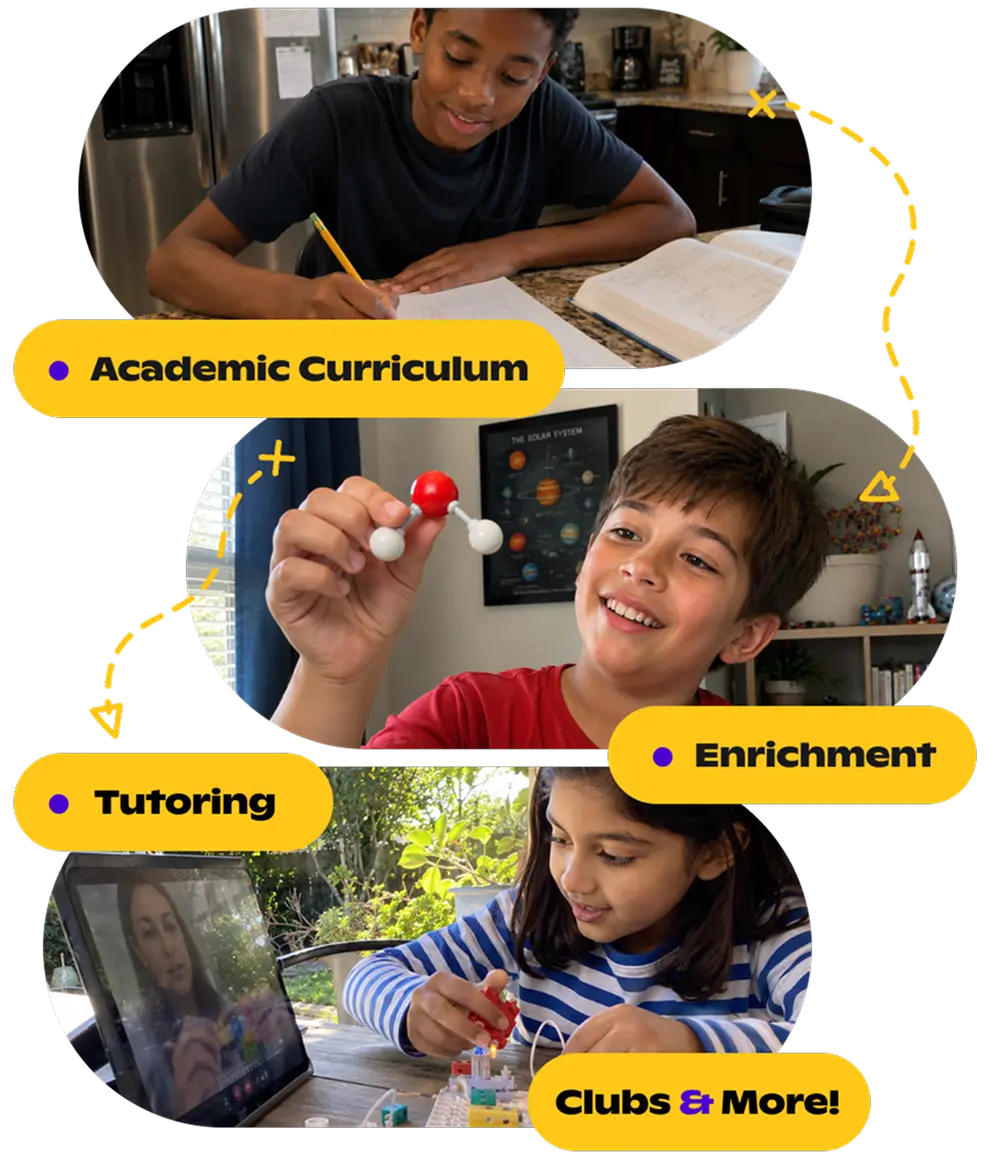
For public and private school families, online enrichment classes on Outschool offer a practical way to extend learning beyond the school day — whether that's math tutoring, subject-specific deep dives, or after-school enrichment in areas your child's school doesn't cover.
Tutoring is specifically listed as an eligible expense under the EFTC, and online educational programs are expected to qualify under most SGO expense guidelines. Classes can be booked individually with no subscription required — pay only for what your kid wants to explore.
What to do now
The EFTC doesn't take effect until January 1, 2027, so there's no application process open yet. But it's worth laying some groundwork:
- Check whether your state is participating. States must opt in and publish an approved SGO list. Watch the IRS website for updates as 2027 approaches.
- Explore state ESA programs in the meantime. If your state has an ESA program and you're not enrolled, it may already cover tutoring, enrichment, and supplies for your kids. Our guide to what ESAs are and how they work is a good starting point.
- Compare your education funding options. The EFTC is one piece of a larger picture. See how it fits alongside 529 plans and state ESAs in our ESA vs. 529 guide.
- Think about what your family would prioritize. Knowing whether you'd focus on tutoring, enrichment, or private school tuition will help you find the right SGO when applications open.
Frequently asked questions
My child goes to public school. Are we still eligible?
Yes. Any student eligible to enroll in a public school who meets the income requirements may qualify for an SGO scholarship in a participating state. The program is designed to serve families across school types.
My child is in private school. Can EFTC scholarships help offset tuition?
Possibly. Private school tuition is specifically listed as a qualifying expense. Scholarship amounts and criteria vary by SGO, so checking with SGOs in your state will give you the clearest picture once your state's SGO list is published.
We already use a state ESA. Does the EFTC affect our account?
No. State ESA programs and the EFTC are separate programs with separate funding sources and eligibility rules. Your state ESA account is unaffected.
Can EFTC funds be used for online tutoring or enrichment classes?
Tutoring is an explicitly listed eligible expense, and online educational programs are expected to qualify under most SGO guidelines. The exact rules will depend on the SGO your family applies through.
When can families start receiving scholarships?
SGO scholarships funded by EFTC contributions can begin in 2027. Taxpayers can start making qualifying contributions on or after January 1, 2027.



.svg)
.svg)