Audiobooks are having a moment. Not because screens are going away, but because families are discovering what libraries have known for decades: listening to books is reading. It builds vocabulary, comprehension, literary exposure, and, if the narrator is good, a deep love for story that print alone sometimes doesn't spark.
For kids who struggle with sitting still, who resist silent reading, who have dyslexia or ADHD or processing differences, or who simply prefer listening to decoding: audiobooks aren't a consolation prize. They're a legitimate reading format.
This list is organized by age band and cross-referenced for learning style and interest. All titles have been selected with narrator quality in mind, which, for audiobooks, is at least as important as the book itself. Age ratings are sourced from Common Sense Media.
Ages 5 to 7: early listeners
Charlotte's Web (ages 7+), narrated by E.B. White himself. There's no better argument for audiobooks than hearing the author read his own work. White's voice gives Wilbur and Charlotte a warmth that transfers directly to early listeners.
The BFG (ages 9+), narrated by David Walliams. Roald Dahl's language is dense with invented words and dramatic pacing, perfect for audio, where a skilled narrator can carry the child through vocabulary they'd struggle with on the page.
Winnie-the-Pooh (ages 5+), narrated by Peter Dennis. For kids who love quiet, character-driven stories. Dennis's performance is gentle and character-specific.
Dog Man series (ages 7+, graphic novel audiobooks). The Scholastic audiobook adaptations include illustrated PDF supplements, a useful bridge for kids who aren't ready to listen without something visual to anchor to.
Good for: auditory learners, reluctant decoders, bedtime listening, car trips.
Ages 8 to 10: building stamina
Percy Jackson and the Olympians (ages 9+), narrated by Jesse Bernstein. This series is tailor-made for audio: fast pacing, first-person narration, enormous character voice variety. Bernstein's performance is one of the best in middle-grade audio. Kids who have heard these and then read the print books almost always say the audiobooks were better.
The One and Only Ivan (ages 8+), narrated by Adam Grupper. A quieter, more literary choice. Grupper's performance handles the emotional weight without being melodramatic. Strong for kids who loved Charlotte's Web and are ready for something longer.
Ranger's Apprentice series (ages 11+), narrated by John Keating. Longer chapters, more complex plots, good for building sustained listening stamina. Strong for kids who love adventure and history-adjacent fantasy.
The Wild Robot (ages 8+), narrated by Kate Rudd. Beautiful prose, a clear narrative structure, and a performance that handles tonal shifts deftly. This is the book that converts reluctant listeners into audiobook believers.
Good for: kids transitioning from picture books to chapter books, adventure and fantasy fans, visual learners who use PDF supplements alongside.
$20 off your first class WITH promo code: blog
Build the Education your Kid Deserves
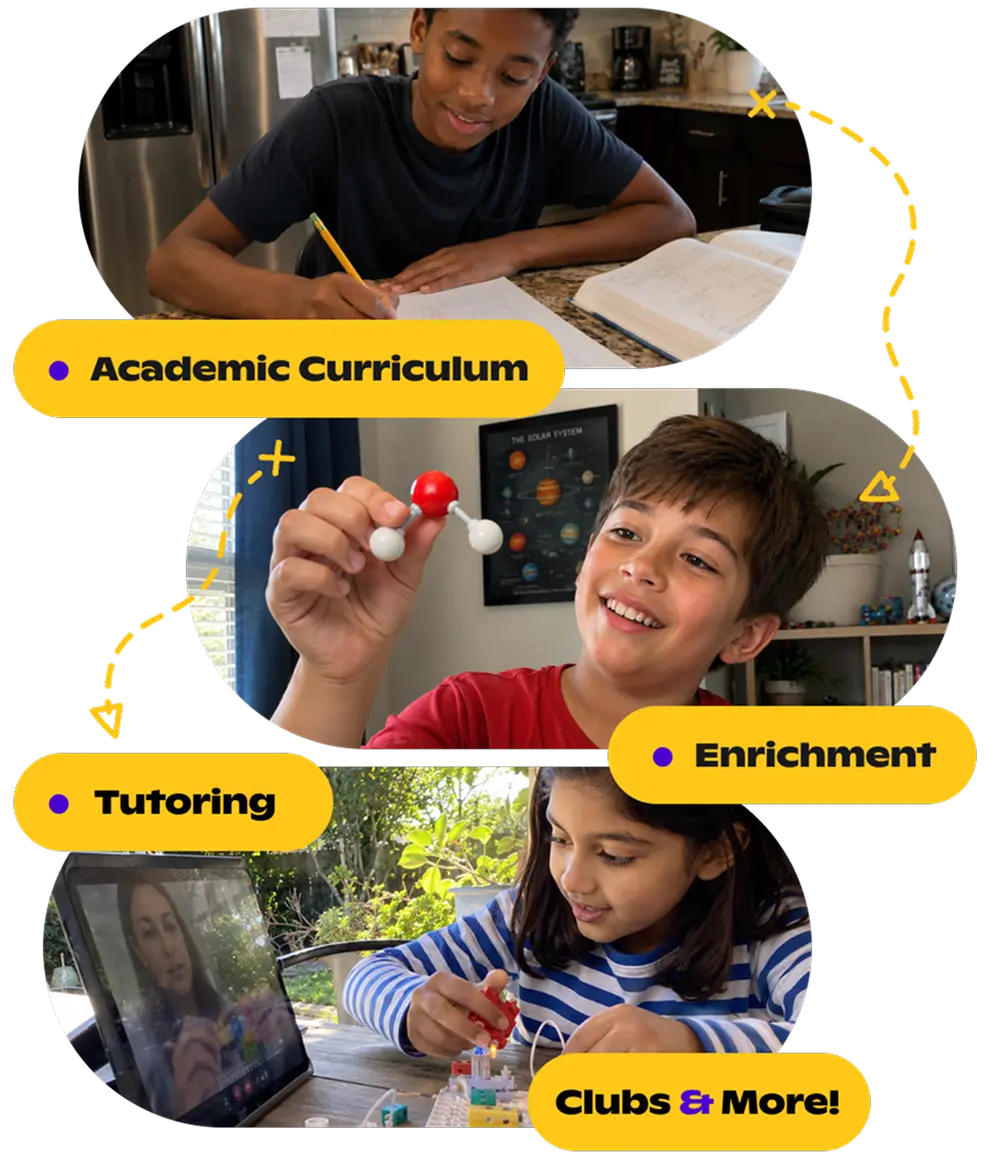
Discover thousands of live classes taught by expert teachers, across academics and enrichment.
Browse classesAges 11 to 15: depth and complexity
The Hitchhiker's Guide to the Galaxy (ages 12+), narrated by Stephen Fry. Fry might be the best audiobook narrator alive. This is the definitive version of a book that is genuinely funnier aloud than on the page. Strong for kids who resist assigned reading but will happily listen to something absurd and brilliant.
Ender's Game (ages 12+), narrated by Stefan Rudnicki and a full cast. A full-cast production adds layers that single-narrator audiobooks can't. Strong for kids who love science fiction and can handle a morally complex story.
The Giver (ages 11+), narrated by Ron Rifkin. Under five hours. Rifkin's measured, careful performance matches the tone of the book exactly. A good choice for older kids who are skeptical of audiobooks, short enough to finish in a couple of sessions.
The House on Mango Street (ages 13+), narrated by Sandra Cisneros. Another author narrating her own work. Cisneros's rhythm and voice are intrinsic to the text. Strong for literary-minded middle schoolers and high schoolers.
Good for: kids who resist assigned reading, literary fiction fans, reluctant readers with strong listening comprehension.
For reluctant readers and kids with learning differences
Audiobooks are particularly valuable for kids with dyslexia, ADHD, or processing differences. Listening removes the decoding barrier and lets comprehension and vocabulary-building happen without the friction. These resources are especially worth knowing:
- Learning Ally (learningally.org): A nonprofit audiobook library specifically designed for students with print disabilities. Human-narrated recordings of thousands of curriculum titles. Membership is income-accessible and often covered by school districts. One of the most underused tools in homeschooling.
- Bookshare (bookshare.org): Free for US students with qualifying disabilities. Over one million titles. Accessible through screen readers, text-to-speech, and dedicated reading apps.
- Libby (libbyapp.com): Free through any public library card. Large audiobook and e-book catalog. No print disability designation required. The easiest starting point for any family.
- Audible Whispersync for Voice: Allows simultaneous audiobook and Kindle text, strong for kids who want to follow along while listening.
Building an audiobook habit
The easiest entry point is the car. Commutes, errands, and road trips eliminate the sitting-still friction entirely. Starting with a title the child already knows in another format (a book they've read, a movie they've seen) reduces the risk of a bad first fit.
For kids who say they can't focus on audiobooks, try dual input first: listening with a print or e-book open. Some brains need the visual anchor. This isn't a deficit. It's information about how your child processes best.
Outschool's live reading and book club classes offer a discussion layer that pairs well with independent audiobook listening, especially for kids who want to talk about what they're experiencing with peers, not just parents.



.svg)
.svg)