School is not like riding a bike. When kids step away from learning — whether for summer break, a move, or an unexpected illness — they often need time to rebuild their rhythm. That backslide is called back-to-school regression, and it's far more common than most parents expect.
The good news: when parents catch it early and respond with the right support, most kids bounce back quickly. Here's what to watch for, how it shows up, and five practical ways to help.
Signs of back-to-school regression in kids
Learning loss and regression happen every year when kids return from breaks. Teachers watch for several early warning signs to identify which students need extra support.
Academic signs
- Low grades on early assignments
- Difficulty recalling material from the previous school year
- Lack of classroom participation
- Visible discouragement or giving up easily
Social signs
- Withdrawal from friends or reluctance to engage with peers
- Difficulty navigating new classroom social dynamics
- Trouble reconnecting with teachers or classmates
Emotional signs
- Irritability, restlessness, or mood swings in the first weeks of school
- Trouble sleeping or changes in appetite
- Immature behaviors that weren't present before the break
At home, regression can look slightly different than it does at school. Tantrums, clinginess, and sleep disruptions are all common during transition periods. If your child doesn't seem to settle back in after two to three weeks, it may be worth a conversation with their teacher.
Types of back-to-school regression
Academic regression
Research consistently shows that the average student loses a meaningful portion of their academic gains over summer break — particularly in math. Studies estimate that students can lose one to three months of learning over a typical summer. This is sometimes called the "summer slide," and it affects students across grade levels. Younger children and those with fewer learning supports at home tend to experience it more significantly.
Social regression
Going back to school means navigating a new classroom, a new teacher, and sometimes an entirely new group of peers. For kids who are introverted, anxious, or who spent the summer in a quieter home environment, this social reorientation can be genuinely overwhelming. Pulling back from interactions, struggling with peer dynamics, or becoming more reserved are all normal parts of that adjustment.
Emotional regression
When kids struggle to readjust to the structure and social demands of school, emotional regression often follows. Behaviors that seemed behind them — tantrums, meltdowns, or emotional fragility — may resurface during the first weeks back. School readjustment is tiring, and kids process that fatigue in different ways. Child development researchers consider some degree of emotional regression during school transitions developmentally expected, especially in elementary-age children.
If your child's emotional regression extends well beyond the first few weeks of school or escalates rather than eases, connecting with a school counselor or pediatrician is worth considering.
$20 off your first class WITH promo code: blog
Build the Education your Kid Deserves
Discover thousands of live classes taught by expert teachers, across academics and enrichment.
Browse classesHow back-to-school regression affects kids short and long term
Teachers know that the first few weeks of school are recovery time. Most classrooms build in review and reassessment after breaks — this is normal and expected. With quick identification and the right support, back-to-school regression rarely becomes a serious problem.
When regression goes unaddressed, however, it can compound:
Short-term
- Falling behind peers academically
- Discouragement about school in general
- Difficulty forming or maintaining friendships
Long-term
- A widening achievement gap that becomes harder to close
- Negative associations with learning and school
- Lower academic confidence and motivation
The earlier parents and teachers catch regression and respond to it, the easier the recovery tends to be.
Five tips to help your child through back-to-school regression
1. Don't be surprised — and don't let them see you worried
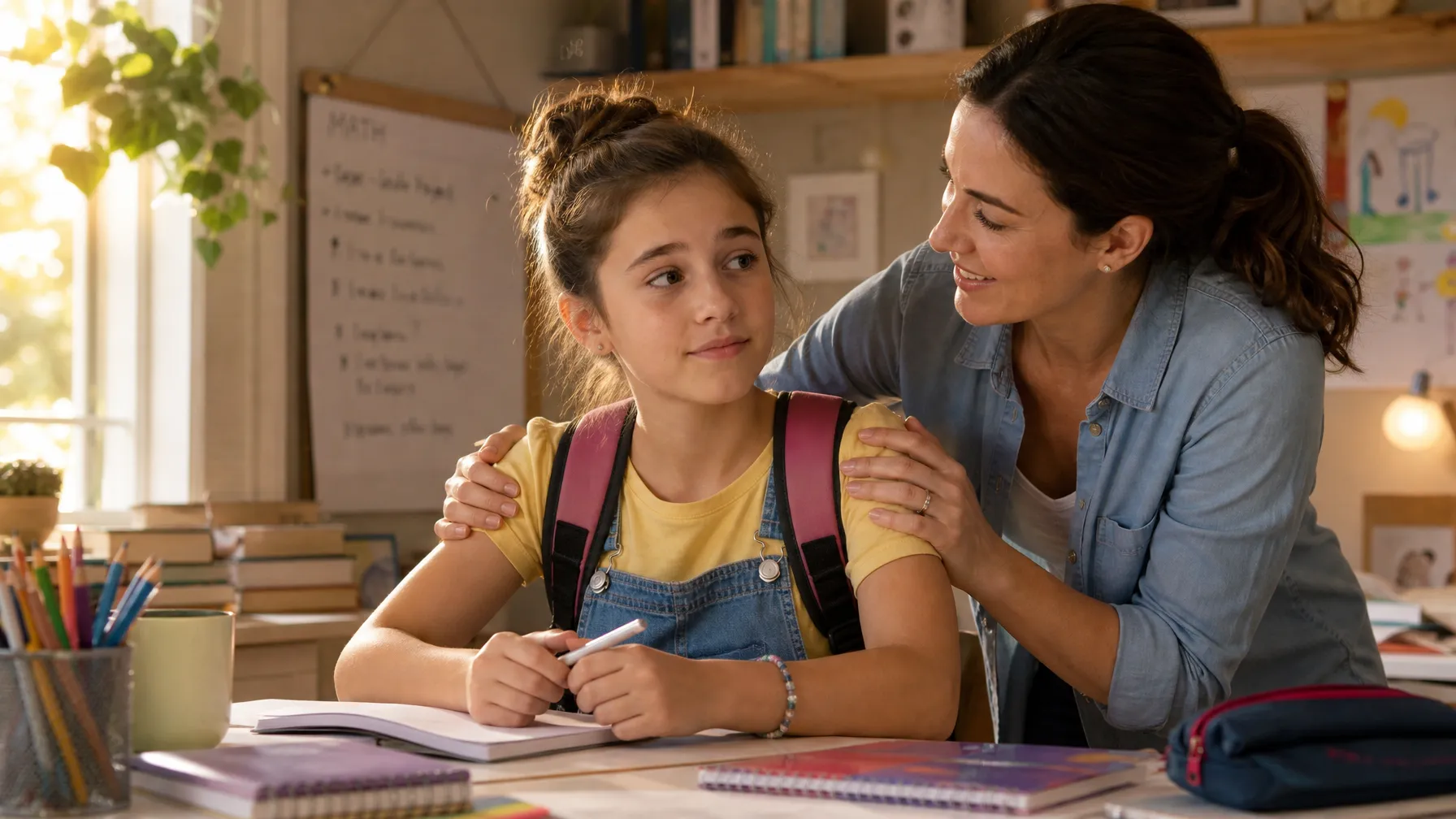
Your child needs to know you can help them handle whatever comes up. If they share that they're behind academically or struggling socially, stay calm and reassuring. Normalize the adjustment period. A confident, steady response from you makes a real difference in how quickly they settle back in.
2. Make a plan before school starts
Find out what extra support your school or district offers — tutoring programs, office hours, or diagnostic assessments in the first week. Know who the school counselor is. Having a plan already in place means you can act quickly if you notice early signs of struggle.
3. Loop in the teacher early
Teachers are your strongest partner in catching regression before it becomes a bigger problem. If you're concerned your child may struggle with the transition, reach out before the first week of school and ask the teacher to keep you informed. Early communication puts the right people on alert and removes the lag between a problem developing and someone addressing it.
4. Fill gaps with outside support
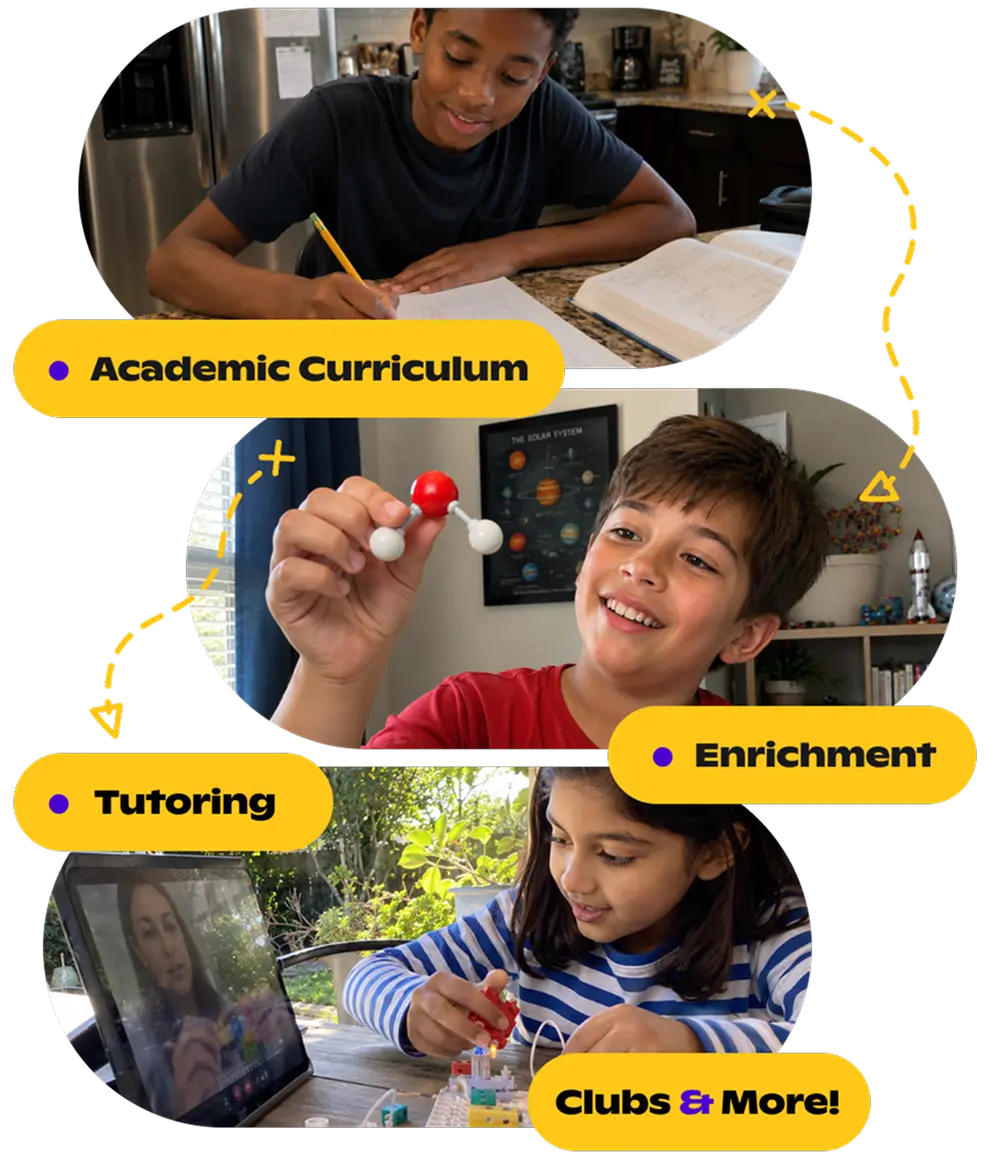
If school-based resources aren't enough, outside support fills the gap. Outschool offers live tutoring and small-group classes in every academic subject, as well as wellness and social learning options — all designed to meet kids where they are and rebuild confidence at a pace that works for them. Extracurricular activities, community programs, and therapy are all valid parts of a support plan when needed.
5. Stay flexible
What works for one child may not work for another. If an approach isn't getting traction after a few weeks, try something different. Back-to-school recovery rarely follows a straight line, and persistence matters more than getting the approach perfect on the first try.
The bottom line
Back-to-school regression is predictable, manageable, and something most families navigate every year. Catching it early, staying connected with teachers, and filling gaps quickly — whether through school programs or outside support — makes the biggest difference in how smoothly the fall gets underway.
If your child is struggling to catch up in a specific subject, browse Outschool's tutoring and class options to find a qualified teacher who can help rebuild momentum.


.svg)
.svg)