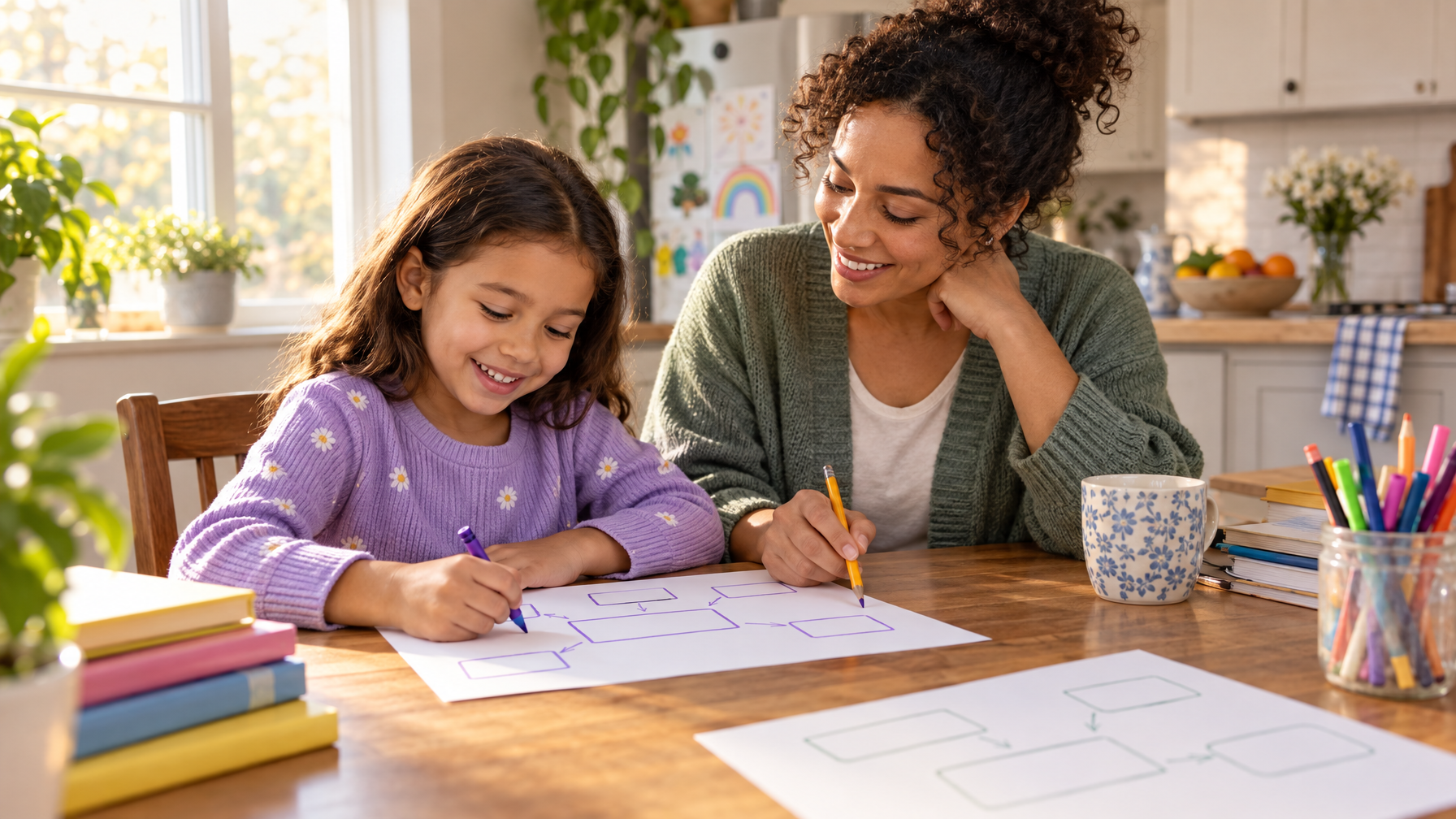
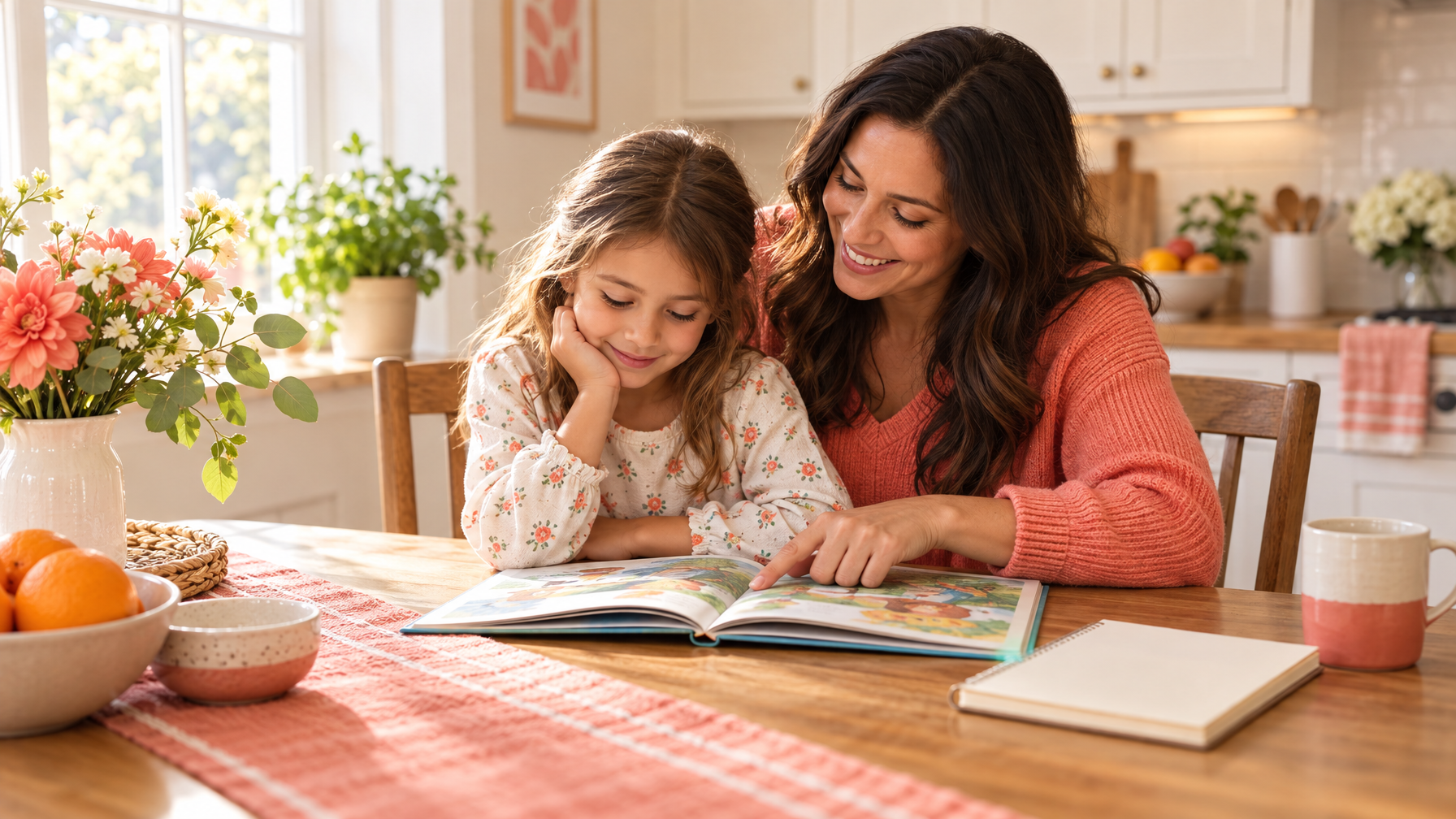
What if the difference between a child who loves learning and one who struggles isn't natural ability, but simply the study habits they've developed along the way? The truth is, healthy study habits form the foundation for confident, curious, and lifelong learners. As a parent, you have the power to nurture these habits from an early age.
Supporting those habits as a part of your homeschool plan may feel overwhelming at first, but it doesn’t have to. In fact, implementing these habits early on can set the stage for long-term success. With flexible learning options and interest-led classes, Outschool can help you guide your child toward routines that build confidence and last a lifetime. Ready to discover how simple, intentional changes to your daily routines can make a lasting impact on your child's relationship with learning?
The impact of healthy study habits on growing learners
Picture this: your child sits down to study without resistance, works through their assignments with confidence, and actually enjoys the process. That’s the magic of healthy study habits: they make learning smoother and a lot more enjoyable.
But what exactly are healthy study habits? They’re the consistent routines and strategies that help learners feel organized, focused, and motivated. These might include using planners to stay on top of assignments, setting up a regular study space, breaking tasks into manageable steps, or reviewing materials a little at a time instead of cramming all at once.
Why healthy study habits matter
When kids develop habits that support their learning, the benefits go far beyond homework. Here’s what healthy study habits can unlock:
- Confidence grows naturally – Kids feel proud when they know how to tackle any subject, turning "I can't do this" into "I'll figure this out."
- Stress melts away – Students who sacrifice sleep to cram struggle more with tests, but maintaining a balanced routine prevents those late-night panic sessions.
- Time management becomes second nature – Using planners reduces homework stress and teaches kids to manage their own schedules like pros.
- Independence blooms – Children begin to learn autonomy within their education. They set goals, track progress, and celebrate wins without constant reminders.
- Learning becomes an adventure – When studying feels manageable, kids get curious about new topics instead of avoiding challenges.
- Life skills stick around – The organization and planning habits they develop now will serve them through whatever steps they take after their homeschool years, well into their careers, and beyond.
Healthy study habits don’t just support academic success. They shape how kids approach challenges, manage their time, and stay curious throughout life.
Tips for teaching healthy study habits to younger learners
Young children thrive on structure, visual cues, and playful learning experiences. When homeschooling parents help young children develop healthy study habits at home, the focus should be on creating routines that are both predictable and engaging. Here are practical strategies that work beautifully with younger learners:
- Create visual schedules using pictures, symbols, or colorful charts to display the day's learning activities, helping children understand what comes next and reducing anxiety associated with transitions.
- Use timers and checklists to break study time into 10-15 minute focused sessions, allowing young minds to stay engaged while maintaining enthusiasm and focus.
- Build in movement breaks between learning activities, allowing kids to stretch, dance, or play for a few minutes to help them refocus and maintain their attention.
- Transform study time into games by incorporating songs, rhymes, hands-on activities, and interactive play that make learning naturally engaging and enjoyable.
- Establish consistent routines that create positive environments where children know what to expect, building confidence and independence in their learning journey.
- Let children help design their study space and choose some of their learning materials, giving them ownership and making them more invested in their study time.
Tips for teaching healthy study habits to older kids and teens
Effective study routines for older kids and teens center on building independence and self-management skills. You can guide your teens to take ownership of their education by developing personalized systems that cater to their unique learning styles and schedules.
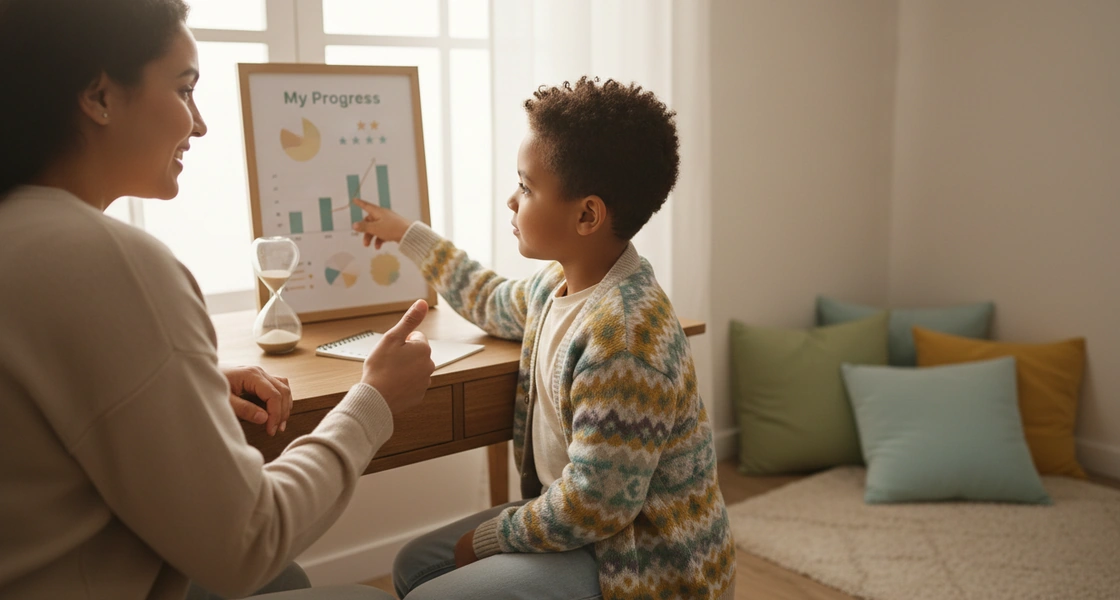
- Empower goal-setting and progress tracking: Guide your teen to choose between digital apps, traditional planners, or hybrid systems to track assignments and monitor academic progress, allowing them to see productivity patterns and celebrate achievements.
- Teach task breakdown and prioritization strategies: Show teens how to divide larger projects into smaller, manageable steps and rank tasks by deadline and importance, preventing the overwhelm that comes with complex assignments.
- Encourage experimentation with study environments and methods: Support teens as they discover their ideal study locations, preferred background music, and effective learning techniques, recognizing that each learner thrives under different conditions.
- Introduce active learning techniques: Move teens beyond passive reading by teaching strategies like self-testing, summarizing in their own words, and explaining concepts to others, which builds deeper understanding and retention.
- Foster time management skills: Collaborate on creating realistic schedules that balance study time with extracurricular activities and social needs, building their ability to manage competing priorities independently.
The importance of creating a positive study environment at home
The physical space where your children learn plays a powerful role in their ability to concentrate and engage with their studies. A designated study space can significantly boost focus and help kids complete their work more efficiently. It doesn’t need to be fancy; just a quiet corner of the kitchen table can work if it’s consistently used for learning and free from distractions like TV or high-traffic activity.
Visual cues, such as a well-organized desk or a designated study spot, signal that it’s time to focus, making transitions into learning smoother. When kids know what to expect from their environment, they waste less mental energy adjusting and more energy diving into the task at hand.
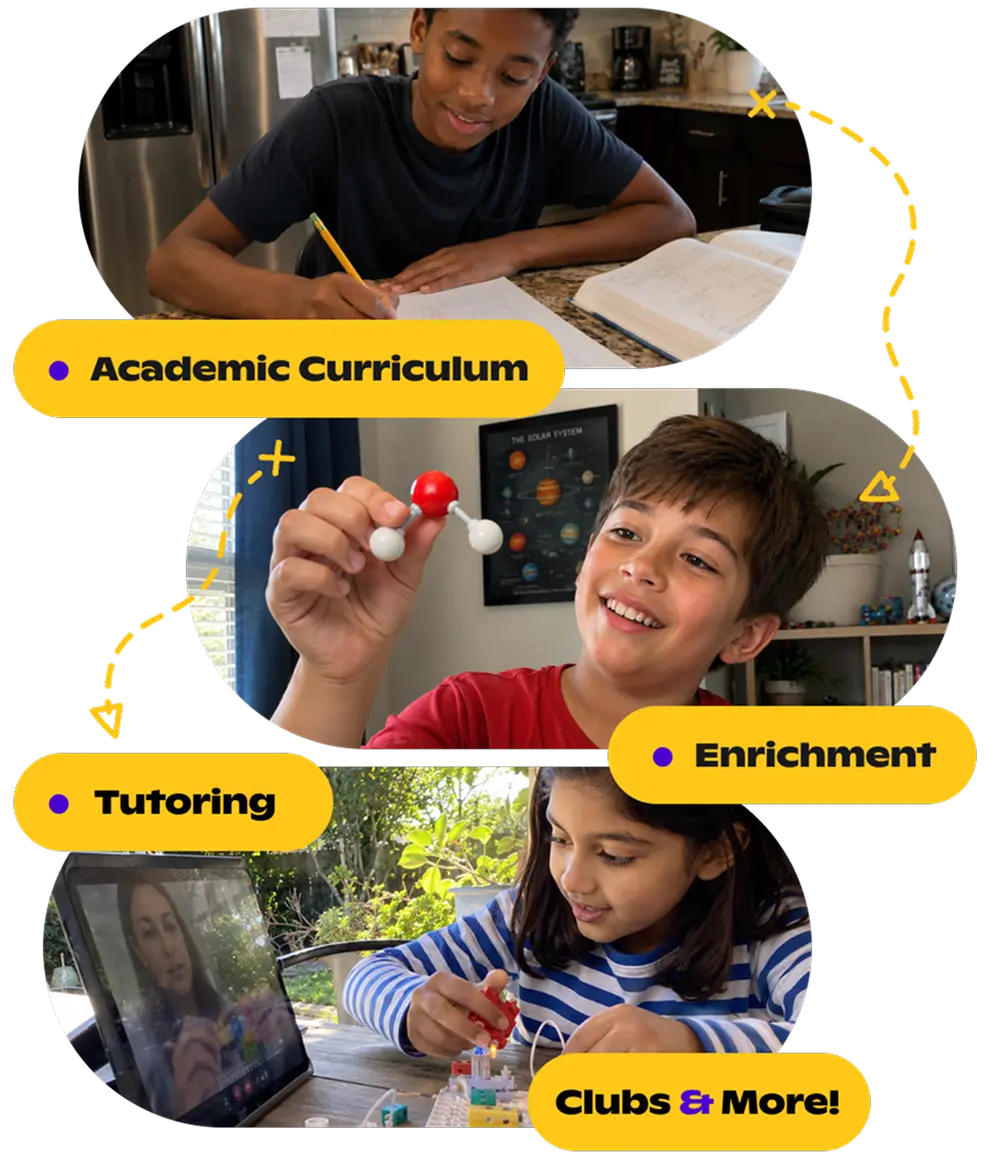
$20 off your first class WITH promo code: blog
Build the Education your Kid Deserves
Discover thousands of live classes taught by expert teachers, across academics and enrichment.
Browse classesHow routines help learning stick
Creating routines that balance structure with flexibility can make all the difference in helping study habits stick. Consistent rhythms, like starting homework after lunch or reading together before dinner, help children build strong associations between time, task, and mindset.
The real magic happens when your child has a say in shaping these routines. Ask your younger kids what colors or desk setups help them feel focused and happy. Let your teens explore different study techniques to find what fits their style. When kids feel like they’ve helped build the system, they’re more likely to stick with it and gain the self-awareness they need to succeed long-term.
Frequently asked questions (FAQs) about teaching kids healthy study habits
As you build homeschool study routines with your children, you might wonder whether your approach is working or how to handle the inevitable bumps along the way. These common questions about teaching kids healthy study habits can guide you through both the victories and the challenges.
What are the signs that a study routine is working for my child?
You'll notice your child becoming more independent with their academic work and showing less resistance to study time. They might start asking questions about topics they're exploring or sharing what they've learned without prompting. Consistent study routines can enhance productivity and retention, leading to improved focus during studying sessions and better recall of information over time.
How can I balance structure with flexibility as my learners grow?
Start with a basic framework that includes regular study times and designated spaces for academic work, then allow your children to have input on specific details like which subjects to tackle first or how to organize their materials.
As children and teens mature, gradually give them more ownership over their educational choices while maintaining the supportive boundaries they need.
What should I do if my child resists study time or feels overwhelmed?
Start by checking whether the workload or expectations match your child's current abilities and attention span. Break larger tasks into smaller, more manageable pieces and celebrate small wins along the way.
If overwhelm continues, consider whether your child might benefit from a different approach to their academic work, or if there are specific learning differences or emotional needs that could use additional support.
How can Outschool help support healthy study habits at home?
Outschool's live online classes naturally build study skills through engaging, interactive experiences that kids and teens actually look forward to attending. The small-group format encourages participation and accountability, while the variety of subjects and teaching styles helps learners discover what works best for their unique needs.
Additionally, the flexible scheduling enables families to integrate classes into their existing routines without disrupting the healthy habits they're already establishing.
Where healthy habits meet joyful learning
The most powerful habits don’t happen overnight, but with the right support and a little creativity, you can help your child build study routines that really stick. Every new skill, from organizing materials to tackling tough topics, brings them one step closer to confident, independent learning.
Outschool is a great partner on that journey, offering classes that keep kids engaged and routines that feel easy to follow. With the right tools and encouragement, your child can develop a passion for learning and carry that passion for years to come.


.svg)
.svg)