Your child comes home frustrated. Again. Maybe it's the crowded classroom, the rigid schedule that doesn't fit how they learn, or just the persistent feeling that something isn't quite right. Whatever brought you to this point, you're seriously thinking about pulling them out.
Here's the part most articles skip: this transition is increasingly common, and it doesn't require you to have everything figured out before you start. What it does require is knowing a few things about the process so you're not blindsided.
Withdrawing your child from school: what the process actually looks like
Pulling a child out of school starts with paperwork, and how much depends on your state. In most states, you'll send a written notice of withdrawal to the school district — some states require a specific form, others accept a simple letter. A few states have more formal homeschool notification requirements, so it's worth looking up your state's rules before you begin.
Your child's school may try to schedule a meeting before processing the withdrawal. You're not legally required to attend in most states, but it's worth knowing the conversation might happen. The school cannot refuse your withdrawal request — they can only receive notice of it.
A few things worth doing before you leave:
- Request copies of your child's academic records, any IEP documentation, and standardized test history. These are yours and useful to have on hand.
- If your child receives special education services, understand that those services end when they leave public school. Finding private alternatives — including online specialists — is something to plan for early.
- Most states allow immediate withdrawal. Your child doesn't need to wait until the end of a semester or school year.
What deschooling is — and why the first few weeks look the way they do
Most families experience a period of adjustment after withdrawal that's sometimes called deschooling — and it's real and important. After years in a structured institution, kids carry habits and expectations that don't always translate to home-based learning. They may seem like they're doing "nothing" for weeks, resist structure, or simply need time to decompress.
Deschooling isn't failure. It's recalibration.
A guideline many experienced homeschool families use: allow roughly one month of deschooling for every year your child spent in traditional school. That doesn't mean ignoring academics entirely — it means keeping expectations light and letting genuine curiosity lead. Let them read what interests them, build things, follow rabbit holes. The appetite for structured learning tends to come back on its own.
You can read more about what the deschooling period looks like day-to-day in Outschool's guide to deschooling.
Building your first homeschool structure
Once the deschooling period winds down — or even in parallel with it for families who prefer some structure from the start — you'll build the bones of your homeschool. A homeschool day doesn't need to look like a school day. For most families, two to four hours of intentional work covers what a full traditional school day covered, because there's no transition time, no waiting, and no one-size-fits-all pacing.
A few places to start:
- Pick your core subjects first. Math and language arts tend to require the most direct parent involvement, especially for younger kids. Start there and add subjects as you find your rhythm.
- Decide what you'll outsource. You don't have to teach everything. Live online classes let a subject-specialist teacher handle science, writing, history, or any area where you want more depth or a different voice — without locking you into a full curriculum package. Outschool classes work on a per-class basis, so you can try one and build from there.
- Give yourself a trial semester. Your first approach doesn't need to be permanent. Most homeschool families try something, adjust, and try again. That flexibility is one of homeschooling's biggest advantages.
For a deeper walkthrough of building out a curriculum from scratch, this curriculum planning guide covers the full process, including how to evaluate and combine different approaches.
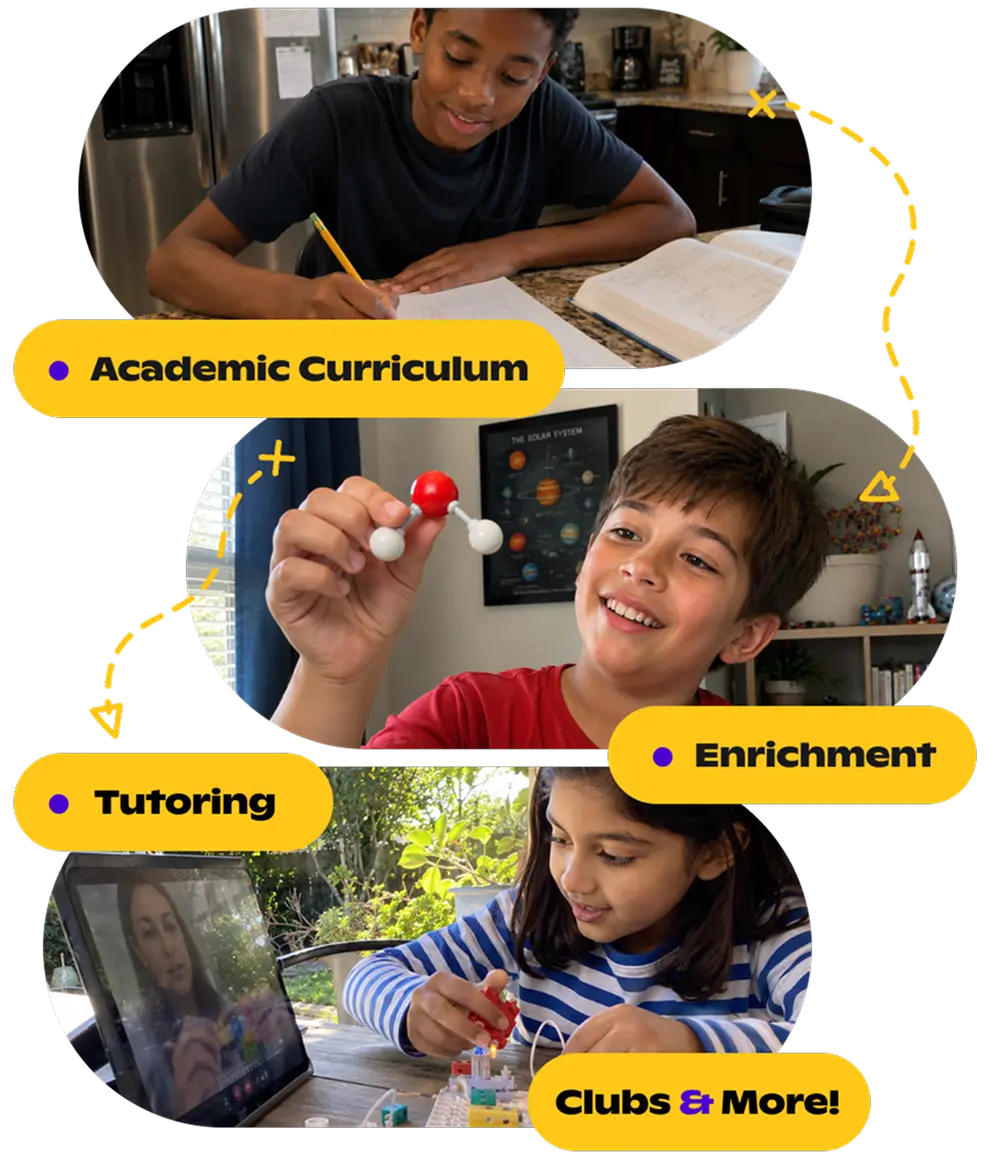
$20 off your first class WITH promo code: blog
Build the Education your Kid Deserves
Discover thousands of live classes taught by expert teachers, across academics and enrichment.
Browse classesWhat to expect in the first 90 days
The first 90 days of homeschooling tend to follow a recognizable arc for most families — and knowing it ahead of time takes some of the pressure off.
Weeks 1 to 4: Things feel uncertain. You'll second-guess yourself. Your kid may be unusually easy-going (relief from leaving school) or resistant (missing friends, unsure what this new life looks like). Either response is normal.
Weeks 4 to 8: The rhythm starts to emerge. You figure out what time of day works best for focused work, which subjects your kid actually engages with, and which parts of your original plan need adjusting. Scrapping your initial curriculum ideas almost entirely is expected and usually healthy.
Weeks 8 to 12: Most families hit their stride here. The schedule feels more natural. Your kid starts showing genuine engagement — curiosity that happens outside of school time, projects they start on their own. This is the payoff.
The families who hit the most turbulence in this window are usually the ones who try to replicate traditional school too closely — same hours, same approach, same pacing. The freedom to break that mold is the point.
Socialization: the question everyone asks
The socialization question will come up — from family members, from friends, maybe from yourself. The research on homeschooled kids consistently shows strong social development, often in more diverse contexts than age-grouped classrooms allow. What it does require is intentionality about finding those contexts.
- Homeschool co-ops mix learning and social time with other homeschool families. This guide to homeschool co-ops covers how they work and how to find or start one.
- Live small-group online classes put your kid in real-time conversation with peers and a teacher — the social dynamic of a class without the in-person logistics.
- Community activities — sports leagues, art programs, theater groups — bring consistent peer contact outside a single social circle.
What about high schoolers?
Switching a high schooler to homeschool involves specific considerations around transcripts, credit hours, and college preparation. Colleges are thoroughly familiar with homeschool transcripts, and homeschool high school is well-established. From the start, document your child's work carefully. This complete guide to homeschooling high school covers transcripts, credit counting, dual enrollment, and what colleges actually look for.
Finding support along the way
The hardest part of switching to homeschool usually isn't the paperwork or the curriculum planning. It's the isolation of feeling like you're doing something unusual without a community around you. There are more than 3.4 million homeschooled kids in the United States, and that community is large, organized, and genuinely welcoming. Local homeschool groups, state homeschool associations, and platforms like Outschool connect you with families navigating exactly what you're navigating.
Browse Outschool classes for homeschool families — organized by subject, age, and learning style, available in both live and self-paced formats.
Frequently asked questions
Can I pull my child from school mid-year?
Yes, in most states. There's no legal requirement to wait until the end of a semester. Check your state's notification requirements, send the required documentation, and request your child's records before leaving.
What if my child resists homeschooling?
Resistance in the early weeks is common, especially if your child had strong friendships at school. Keep expectations light, let them lead their interests, and give the new environment time to feel safe before introducing structured learning.
Do I need teaching credentials to homeschool?
In most states, no. A small number of states have basic requirements like a high school diploma, but teaching credentials are not generally required for homeschool parents.
What's the best curriculum for kids switching from traditional school?
Many families transitioning from traditional school start with a curriculum that mirrors familiar structure, then loosen it as they find their rhythm. Starting with one or two core subjects is usually more manageable than overhauling everything at once.
How do I handle record-keeping?
Keep a folder or digital log of completed work, books read, and projects finished. For younger kids this is mostly peace of mind. For high schoolers these records form the foundation of a transcript. Outschool provides attendance records for all classes your child takes, which can be included in your documentation.


.svg)
.svg)