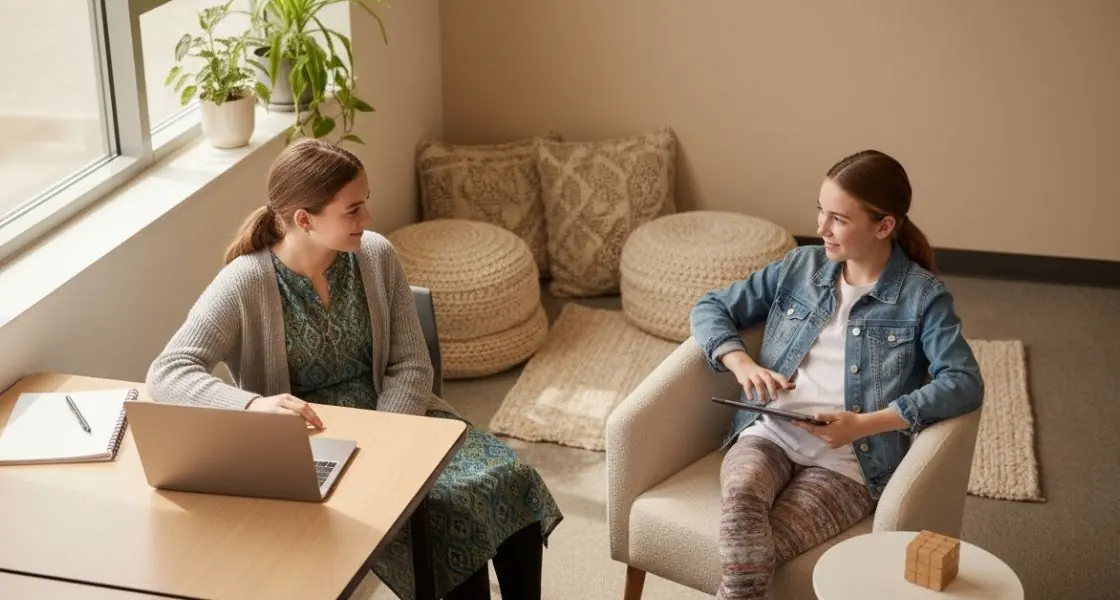
Low-distraction environments and low-stress routines are essential for helping children with ADHD thrive in homeschooling. With the right strategies, you can reduce overwhelm, improve focus, and create a learning space that works for your child on a personalized level. By combining thoughtful workspace design and sensory-friendly approaches, homeschooling becomes an opportunity to turn challenges into strengths.
The ability to adapt your schedule and integrate hands-on, interest-based learning helps your child stay engaged while maintaining calm and consistency. At Outschool, we offer live and self-paced classes that give families the flexibility to build personalized, low-stress learning experiences for learners with ADHD, supported by teachers who understand the needs of neurodivergent students and build in accommodations to their offered courses.
Understanding ADHD: Why environment and stress matter in homeschooling
ADHD brains can process things within their environment differently than their neurotypical peers, making them sensitive to distractions that may not affect other students. When learning, children with ADHD filter through various sensory inputs, which can derail focus. Minor distractions, like a television on in another room or a landscaping crew at work in a neighbor's yard, can increase stress levels. Creating a supportive learning environment is crucial for their academic success.
Homeschooling parents have a unique advantage in customizing learning spaces to suit their child's needs. Unlike traditional classrooms, homeschooling allows for complete flexibility. By observing their child's focus patterns and sensory preferences, parents can design environments that work for their ADHD child in all aspects of their life, not just regarding schoolwork. This intimate knowledge transforms challenges into opportunities for personalized learning, fostering an educational experience that is both engaging and supportive.
Setting up a low-distraction homeschool space: Practical steps
If you've ever watched your child struggle to focus amid the chaos of daily life, you're not alone. Many parents find themselves asking, "How can I set up a low-distraction environment for my child with ADHD while homeschooling, especially when your home serves multiple purposes?" Here are practical steps to create a learning environment that works with your child's brain, not against it:
- Designate a calm spot for learning and keep it separate from busy areas of your home. Try setting up different zones, like one for quiet work and another for creative activities, to help your child stay organized and focused throughout the day.
- Maximize natural light and minimize visual clutter: Use natural light or full-spectrum bulbs to boost mood and energy, while keeping decorations and supplies to a minimum to avoid overwhelming your learner's senses.
- Organize supplies with clear, accessible storage: Use labeled bins, drawer organizers, and visual schedules so your child can easily find what they need, reducing decision fatigue and building independence in their learning routine.
- Design calming color schemes and soft lighting: Choose muted, soothing colors for walls and furniture, and use warm, soft lighting to create a peaceful atmosphere that promotes focus rather than overstimulation.
You can transform your homeschool space into a calm, low-distraction environment by making intentional choices, like minimizing clutter, adding sensory-friendly tools, and offering flexible seating. These minor adjustments support focus and independence and create a setting where your child with ADHD can feel comfortable, engaged, and ready to learn.
Building flexible routines that lower stress for ADHD learners
When parents ask what the best strategies are to reduce stress for homeschooled children with ADHD, the answer often starts with thoughtful routines. Consistent routines can significantly enhance focus and time management for neurodiverse learners. The key lies in creating a supportive rather than rigid structure, honoring each child's unique needs and energy patterns.
- Create visual schedules that show the day ahead: Visual schedules help kids and teens with ADHD predict what's coming next, reducing anxiety and building independence through clear expectations.
- Use timers and transition warnings: Give 5-minute and 2-minute warnings before switching activities, allowing learners time to mentally shift gears without feeling surprised or rushed.
- Establish consistent start and end times: Even with flexible content, having predictable bookends to your learning day creates the structure children with ADHD benefit from for staying calm and focused. Have your child help create a schedule for their schoolwork, online classes, or household chores to give them a sense of autonomy over their day and help with their executive functioning.
- Plan shorter, varied learning blocks: Mix different subjects and learning styles throughout the day, keeping lessons engaging and preventing overwhelm from lengthy focus demands.
- Adapt routines as your child grows and changes: What works at age 8 may need tweaking at age 12, so stay flexible and explore specialized ADHD skills classes that can supplement your routine with new strategies and peer connections as needs evolve.
By blending consistency with flexibility, you create routines that ease stress while honoring your child’s natural rhythms. Simple strategies like visual schedules, movement breaks, and transition cues build structure without rigidity, helping children with ADHD stay focused, calm, and confident.
$20 off your first class WITH promo code: blog
Build the Education your Kid Deserves
Discover thousands of live classes taught by expert teachers, across academics and enrichment.
Browse classesSensory-friendly strategies to support focus and calm
When parents ask how sensory-friendly spaces support focus and calm in homeschooling, the answer lies in understanding how neurodiverse brains process their environment. Thoughtfully designed spaces with their learning preferences in mind can improve concentration, emotional regulation, and academic performance.
- Integrate movement-friendly seating: Swap standard chairs for yoga balls, wobble stools, or standing desks, which let your child channel energy into gentle movement that supports attention.
- Support sensory regulation with tools: Offer noise-canceling headphones, textured fidgets, or weighted lap pads to provide calming input and help manage sensory overload.
- Build a personalized sensory toolkit: Collaborate with your child to select tools, such as stress balls, fabric swatches, or calming scents, that meet their unique needs and encourage self-advocacy.
- Allow flexible learning zones: Give your child options, from a quiet space with soft textures to a lively table with background music, so they can choose the setting that fits their focus each day.
By designing a homeschool space that adapts to your child’s sensory profile, you create more than just comfort; you create an environment that empowers them to regulate emotions, concentrate on learning, and take ownership of their educational journey.
Frequently asked questions: Creating a low-distraction homeschool for children with ADHD
Parents often have specific questions about creating the right balance of structure and flexibility when homeschooling children and teens with ADHD. These common concerns about managing distractions, finding resources, and supporting multiple learners can feel overwhelming, but practical solutions exist.
What should I do if my child gets distracted or overwhelmed, even with a great setup?
Even though fully designed environments may present occasional challenges, that's entirely normal for neurodiverse learners who naturally struggle with concentration and may show inconsistent performance from day to day. When overwhelm happens, take a step back and break tasks into smaller segments, offer more frequent breaks, or switch to a completely different activity.
Are online resources or classes supporting low-stress, low-distraction learning for neurodiverse kids and teens?
Many online platforms offer flexible learning options that work well for children with ADHD who need variety and engagement. Self-paced options can be particularly helpful because they allow your child to work during their peak focus times and take breaks as needed, creating a naturally low-distraction environment with low stress built right in.
How can I involve my child in creating their ideal learning environment?
Ask your child directly about what helps them focus best. Many kids and teens have surprising insights about their own needs. Let them experiment with different seating options, lighting levels, and background sounds, then observe what improves their attention and mood. Involving children in workspace decisions increases their comfort and investment in the learning process.
How can I support multiple children with different learning and sensory needs in the same homeschool space?
Create distinct zones within your learning area where each child can have their preferred setup. One might need complete quiet, while another focuses better with soft background music. Use visual barriers like bookshelves or folding screens to give each learner their defined space and establish clear signals for when someone needs extra quiet time. Consider staggered schedules so children with conflicting sensory needs aren't competing for the same space simultaneously.
Next steps for a calmer, more focused learning environment
Low-distraction, low-stress homeschool environments give children with ADHD the structure and calm they need to focus and thrive. Small, intentional changes, like adjusting lighting, adding sensory tools, and building adaptable routines, create a foundation that supports attention and emotional regulation. As your child grows, their needs may shift, and staying flexible ensures your homeschool continues to match their development.
Homeschooling also becomes stronger with access to supportive communities and diverse learning opportunities. Flexible online classes designed for neurodiverse learners extend your efforts at home, combining structure with creativity in ways that spark engagement and confidence. At Outschool, we offer live, self-paced, and small-group classes created with children with ADHD in mind.



.svg)
.svg)