Choosing the right math curriculum can feel like standing at a crossroads with dozens of paths stretching ahead, but which one truly aligns with your family's learning goals? Among the many options available to homeschooling families, Saxon Math stands out as a widely recognized program that has helped many students build strong math skills.
What is Saxon Math, and how does it work in practice? Below, we'll break down the pros and cons of this curriculum option and answer common questions to help you find the right choice for your child. We’ll also show how Outschool can complement Saxon Math with interactive, flexible math classes that bring extra clarity and engagement to any learning plan.
Understanding Saxon Math
Saxon Math builds its reputation on a unique teaching approach called the spiral method. In this system, new mathematical concepts are introduced gradually and then revisited regularly throughout the year, rather than being taught intensively for a few weeks and then moving on.
Each lesson typically includes a brief introduction of new material, followed by practice problems that blend the new concept with previously learned skills, helping your child see how different areas of math connect and support each other through this consistent reinforcement.
The program's emphasis on daily practice and repetition makes it particularly well-suited for learners who thrive with routine and consistent reinforcement. For homeschooling families, this structure can provide the confidence that comes with a proven program, while the incremental pace helps prevent the overwhelm that sometimes accompanies math learning.
How does the spiral approach help students retain math concepts?
Building on the foundation of repeated exposure, the consistent practice and review built into Saxon Math's structure naturally builds confidence while reducing the math anxiety that many children experience. When students encounter a concept they've seen before, even in a slightly different context, they feel more prepared and capable.
You can see Saxon Math’s spiral method in action through small, everyday moments in the lessons. Here are a few examples:
- Blending the old with the new – A lesson on multiplying fractions might also include a few problems reviewing basic addition facts, keeping earlier skills fresh while introducing more complex ideas.
- Revisiting concepts in new contexts – Geometry questions may resurface during an algebra unit, helping students connect topics and apply what they’ve learned in different situations.
- Building confidence through repetition – A student might encounter division problems over several weeks, each time with slightly more challenging numbers, reinforcing the process without overwhelming them.
The spiral method allows for early identification of learning difficulties, giving parents the chance to provide extra support when concepts resurface rather than discovering gaps much later in the curriculum. This ongoing reinforcement creates a sense of mathematical security, where students know they'll have multiple chances to master challenging concepts.
Is Saxon Math a good fit for different homeschooling styles?
Saxon Math can adapt to a wide range of homeschool approaches, whether you follow its structure closely or customize it to suit your child’s personality and learning needs. Here are some ways it can work for different styles:
- Embrace the structure or adapt it – The daily lessons and consistent format work beautifully for families who thrive on routine, while creative families can use the solid foundation as a springboard for hands-on exploration.
- Transform abstract concepts into real experiences – Turn fraction lessons into cooking projects where kids measure ½ cup of flour or divide recipes in thirds, or practice geometry during nature walks by identifying shapes in leaves and rocks.
- Blend Saxon with project-based learning – Apply math skills to community service projects, like calculating supplies for a food drive or budgeting expenses for a neighborhood cleanup.
- Customize the pace for your child – The incremental approach makes it easy to slow down for mastery or accelerate through familiar concepts, fitting a variety of learning speeds.
- Enhance engagement with games and manipulatives – Add math games, visual aids, or hands-on materials that reinforce Saxon’s systematic approach while bringing more variety to daily lessons.
- Connect lessons to your child’s interests – Whether they love animals, sports, or art, you can weave these passions into math problems to maintain interest and build skills.
Matching Saxon Math’s strengths to your homeschool style can make it a solid foundation for learning.
$20 off your first class WITH promo code: blog
Build the Education your Kid Deserves
Discover thousands of live classes taught by expert teachers, across academics and enrichment.
Browse classesPros and cons of using Saxon Math in a homeschool setting
Families respond to Saxon Math in different ways, so taking time to consider both sides can help you choose what works best for your homeschool. Understanding how it works in real-life settings can guide you toward a curriculum choice that fits your child and your homeschool style.
What Saxon Math does well:
- Predictable structure – Daily lessons and a consistent format provide routine and clear expectations, making planning straightforward for parents.
- Thorough review system – Concepts are revisited regularly, helping children retain skills over the long term.
- Adaptable framework – Lessons can be supplemented with hands-on activities or real-world projects for a more interactive experience.
Challenges you may encounter:
- Repetitive format – Learners who grasp concepts quickly may find the repetition less engaging.
- Time-intensive lessons – Longer daily work can be a hurdle for families balancing multiple subjects.
- Varied experiences – How well it works can depend heavily on the child’s learning style and the family’s teaching preferences.
Making the right choice for your child:
- Observe your child’s comfort with routine – Do they enjoy predictability, or do they learn best with variety?
- Evaluate your teaching approach – Are you comfortable making adjustments, or do you prefer following a set plan?
- Align with your priorities – Does steady skill practice match your math goals, or do you emphasize deep conceptual understanding?
By weighing both the advantages and the drawbacks, you can get a clearer picture of how Saxon Math might fit into your homeschool plan. The key is to match its structure and teaching style with your child’s learning needs and your family’s approach.
Frequently asked questions (FAQs) about Saxon Math and homeschooling
Here are the answers to questions that come up most often when parents are weighing their math curriculum options.
What is the difference between the spiral and mastery approaches in math curricula?
While mastery approaches focus on complete understanding before moving on, the Saxon spiral curriculum revisits topics multiple times, helping students retain information through spaced repetition. This means your child will encounter Math concepts multiple times throughout the year rather than studying them intensively for just one unit.
How much parent involvement does Saxon Math require?
Saxon Math requires daily guidance from you, especially in the elementary years, where you'll need to introduce new concepts and work through practice problems together. The curriculum provides detailed teacher manuals with scripted lessons, making it manageable even if math isn't your strongest subject.
As children progress to middle and high school levels, they can work more independently, though you'll still want to check their understanding and provide support when needed.
Is Saxon Math suitable for learners with special needs or advanced math students?
Saxon Math’s step-by-step lessons and regular review can work well for some kids with special needs, especially if they thrive on structure and repetition. For advanced learners, you can move through levels faster or add enrichment problems for extra challenge. Because the program circles back to concepts often, it can help any child reinforce skills over time. Just be ready to adjust the pace so it fits your child’s needs.
Can Saxon Math be used alongside other resources or enrichment activities?
Saxon Math works well as a foundation that you can enhance with hands-on activities and real-world applications that match your family's learning style. Many homeschooling parents supplement Saxon lessons with manipulatives, online math games, or project-based learning to make concepts more engaging.
Bring your math curriculum to life
Saxon Math’s spiral approach offers a steady, reliable framework for building math skills, but your homeschool has the advantage of flexibility. You can tailor lessons, mix in creative projects, or blend different resources until the learning experience feels like the perfect fit for your child.
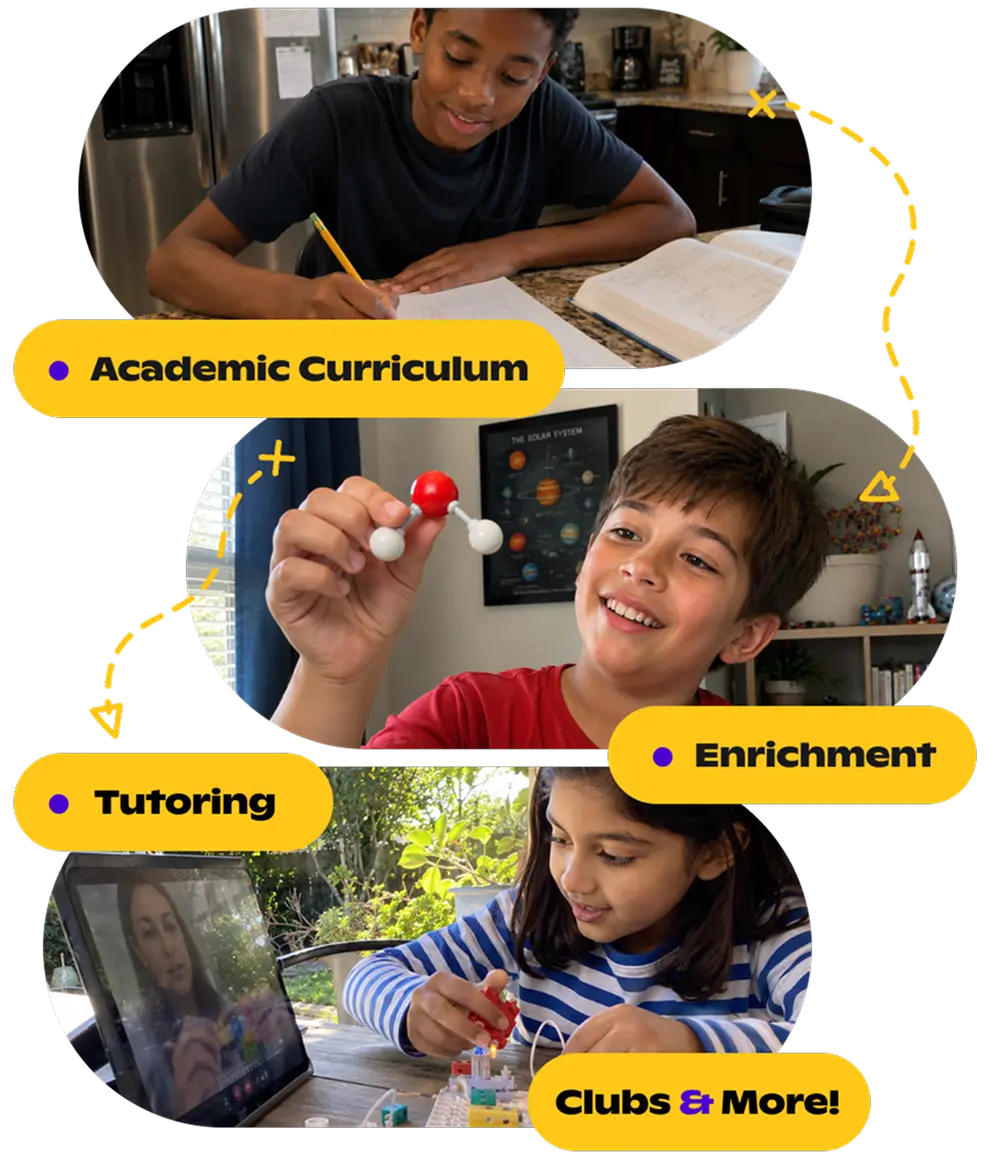
If you decide to use Saxon Math, or even combine it with other curricula, Outschool can be a valuable partner in keeping math engaging and well-rounded. From live tutoring that helps with tricky lessons to enrichment classes that connect math to real-world experiences, you’ll find options that fit seamlessly into your routine and support your child’s growth.



.svg)
.svg)